Endangered Animals
Which animals are endangered?
The tiger, red panda, blue whale and okapi are examples of animals listed as Endangered on the IUCN Red List. This directory also includes other high-risk categories so you can compare them. Each photo card shows the recorded category for that species. Start with an example you recognise, then open its profile to see its habitat and diet. Those details help explain what an animal needs in order to survive in the wild.
Browse 239 animalsWhat the IUCN categories mean
Endangered (EN) is a specific global extinction-risk category. Critically Endangered (CR) represents a higher level of risk, and Vulnerable (VU) a lower level within the threatened categories. Extinct in the Wild (EW) has a separate meaning: individuals survive in captivity, cultivation or populations established outside the species’ former range. The list shows these categories separately, so you can find Endangered species and compare them with other species of conservation concern.
Why the threats differ by species
A forest animal may lose feeding and breeding sites when a continuous forest is divided into small patches. An ocean animal can face vessel strikes, entanglement in fishing gear or loss of nesting areas, depending on how and where it lives. Small populations can be especially exposed when many individuals depend on a single area. A conservation category summarises extinction risk. Read the species assessment for the causes, trends and evidence behind a particular listing.
Use the status with its context
The status shown here is the global category recorded in this directory. A local population may have a different status or legal protection, and new assessments can change the global category as evidence improves. For a report or classroom project, use the scientific name from the profile to look up the latest IUCN assessment. Record the category, assessment date and the source link together. This makes it easier to compare species and to check the source again later. An older report may still be useful for describing how a population changed over time.
Endangered Animals List
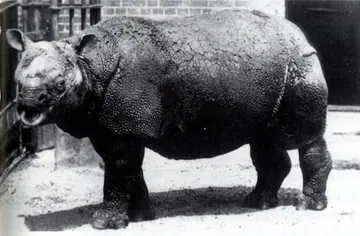
Javan rhinoceros
Rhinoceros sondaicus
Critically Endangered
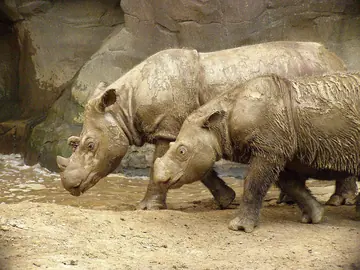
Sumatran rhinoceros
Dicerorhinus sumatrensis
Critically Endangered

Tiger
Panthera tigris
Endangered

Red panda
Ailurus fulgens
Endangered
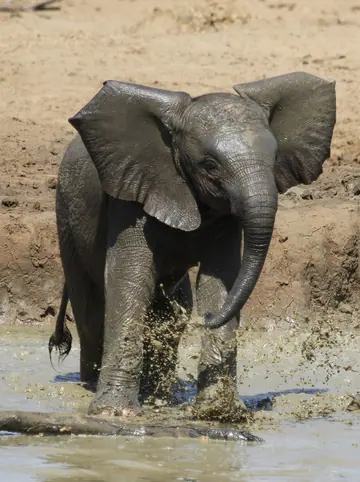
African bush elephant
Loxodonta africana
Endangered
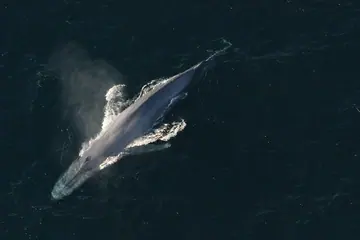
Blue whale
Balaenoptera musculus
Endangered

Whale shark
Rhincodon typus
Endangered
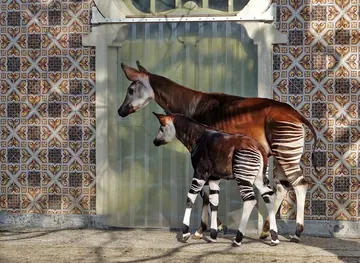
Okapi
Okapia johnstoni
Endangered
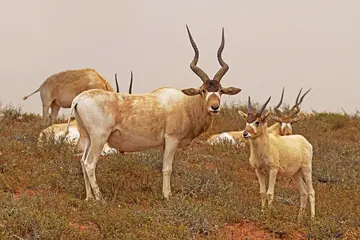
Addax
Addax nasomaculatus
Critically Endangered
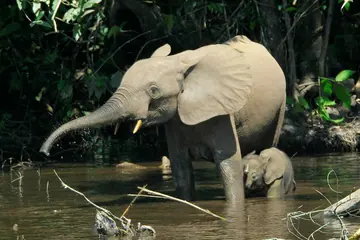
African forest elephant
Loxodonta cyclotis
Critically Endangered
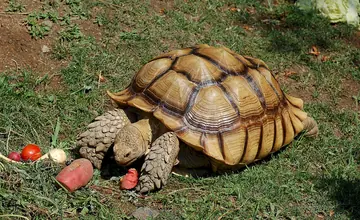
African spurred tortoise
Centrochelys sulcata
Endangered
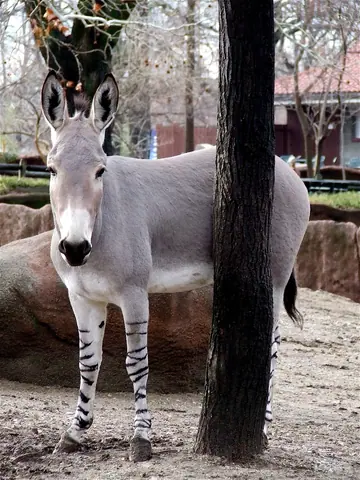
African wild ass
Equus africanus
Critically Endangered
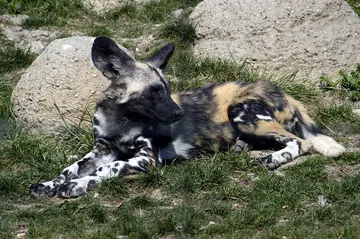
African wild dog
Lycaon pictus
Endangered
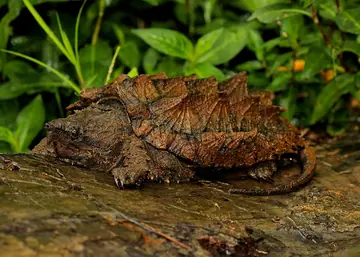
Alligator snapping turtle
Macrochelys temminckii
Endangered
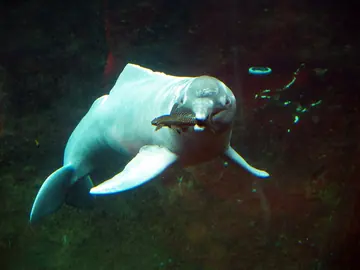
Amazon river dolphin
Inia geoffrensis
Endangered
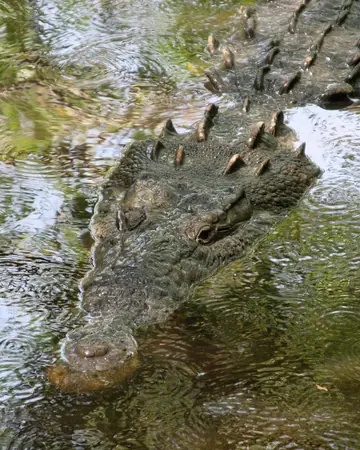
American crocodile
Crocodylus acutus
Vulnerable
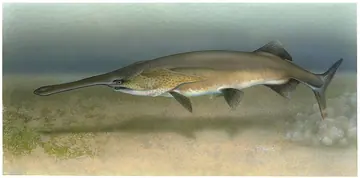
American paddlefish
Polyodon spathula
Vulnerable
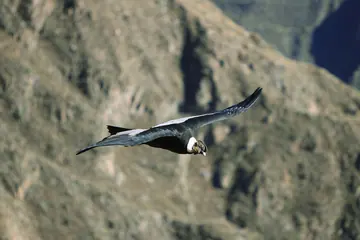
Andean condor
Vultur gryphus
Vulnerable
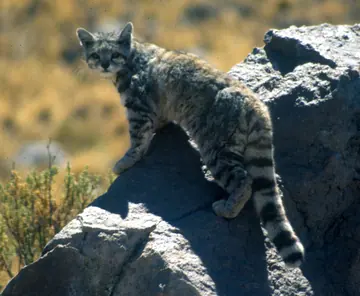
Andean mountain cat
Leopardus jacobita
Endangered
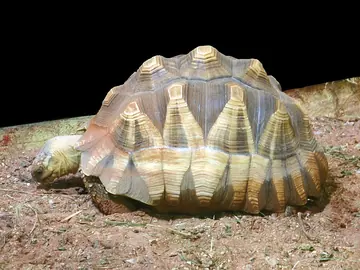
Angonoka tortoise
Astrochelys yniphora
Critically Endangered
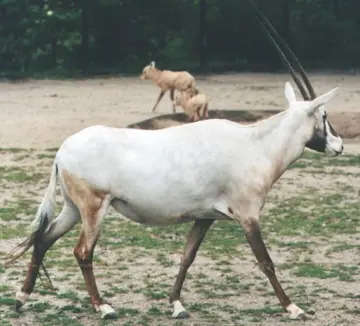
Arabian oryx
Oryx leucoryx
Vulnerable
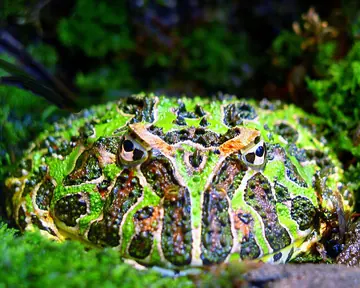
Argentine horned frog
Ceratophrys ornata
Vulnerable
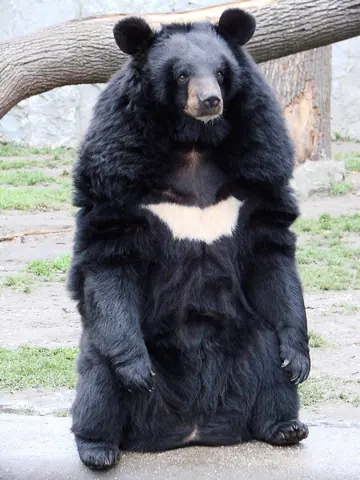
Asian black bear
Ursus thibetanus
Vulnerable
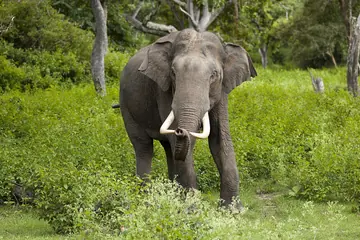
Asian elephant
Elephas maximus
Endangered
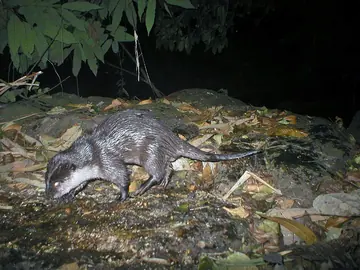
Asian small-clawed otter
Aonyx cinerea
Vulnerable
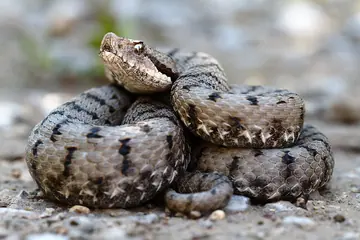
Asp Viper
Vipera aspis
Vulnerable

Atlantic cod
Gadus morhua
Vulnerable
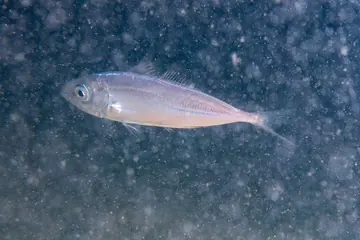
Atlantic horse mackerel
Trachurus trachurus
Vulnerable
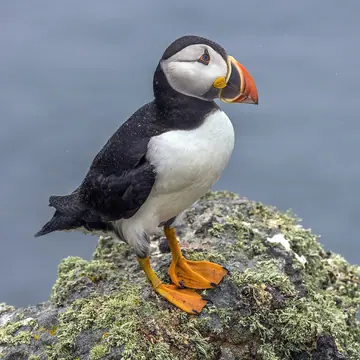
Atlantic puffin
Fratercula arctica
Vulnerable

Axolotl
Ambystoma mexicanum
Critically Endangered
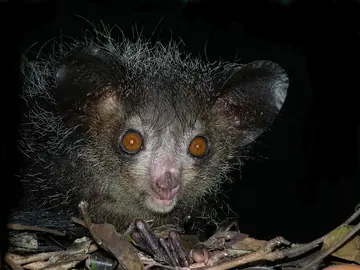
Aye-aye
Daubentonia madagascariensis
Endangered
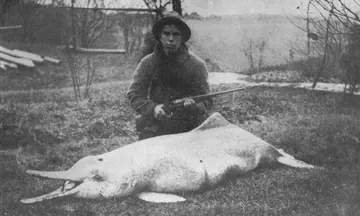
Baiji
Lipotes vexillifer
Critically Endangered
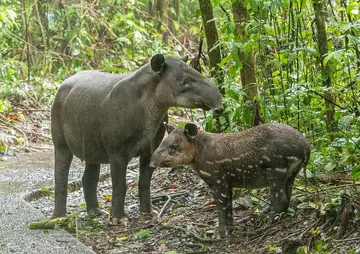
Baird's tapir
Tapirus bairdii
Endangered
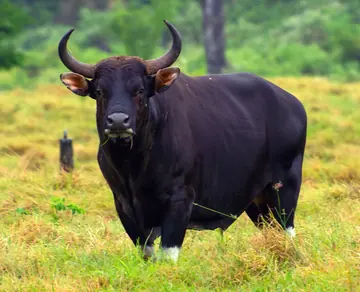
Banteng
Bos javanicus
Critically Endangered
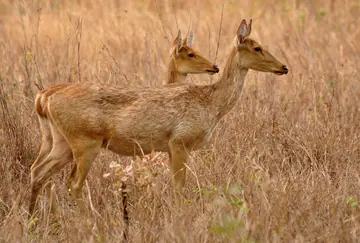
Barasingha
Rucervus duvaucelii
Vulnerable
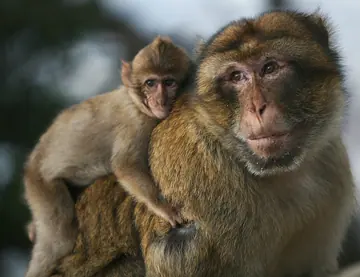
Barbary macaque
Macaca sylvanus
Endangered
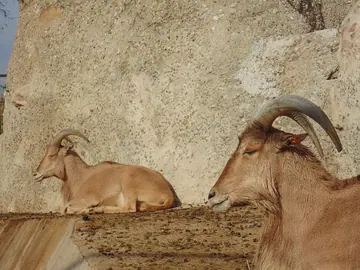
Barbary sheep
Ammotragus lervia
Vulnerable
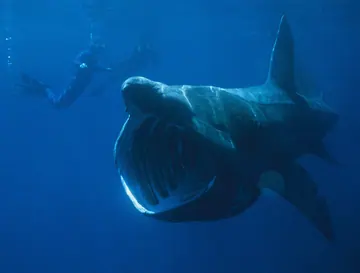
Basking shark
Cetorhinus maximus
Endangered
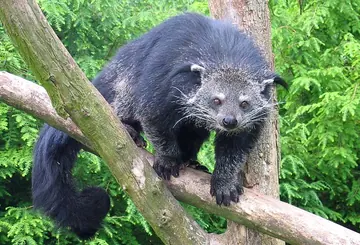
Bearcat
Arctictis binturong
Vulnerable
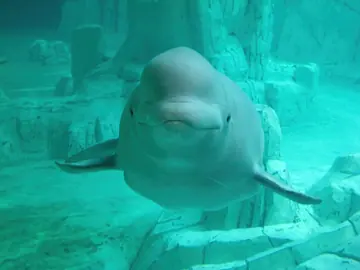
Beluga
Huso huso
Critically Endangered
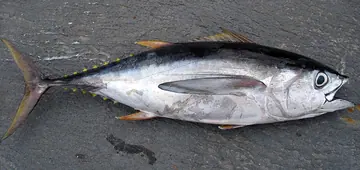
Bigeye tuna
Thunnus obesus
Vulnerable
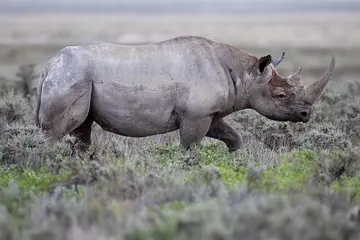
Black rhinoceros
Diceros bicornis
Critically Endangered
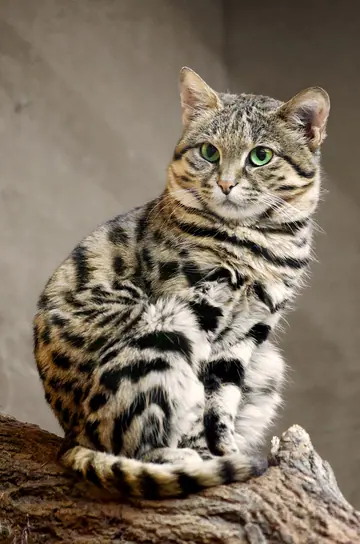
Black-footed cat
Felis nigripes
Vulnerable
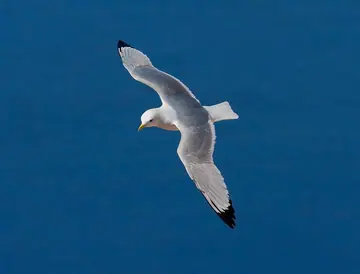
Black-legged kittiwake
Rissa tridactyla
Vulnerable
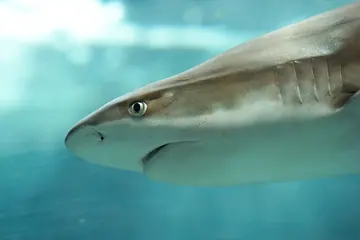
Blacktip reef shark
Carcharhinus melanopterus
Vulnerable
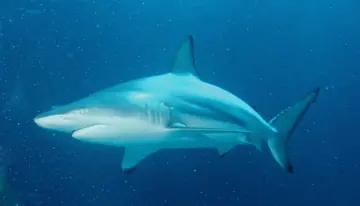
Blacktip shark
Carcharhinus limbatus
Vulnerable
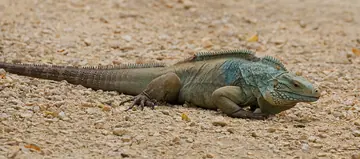
Blue iguana
Cyclura lewisi
Endangered
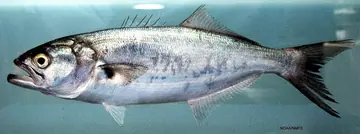
Bluefish
Pomatomus saltatrix
Vulnerable
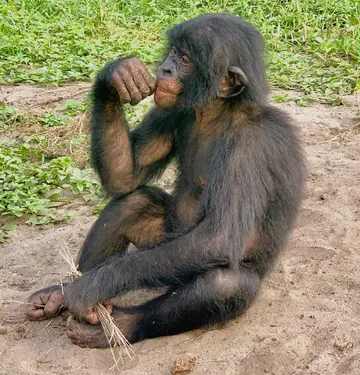
Bonobo
Pan paniscus
Endangered
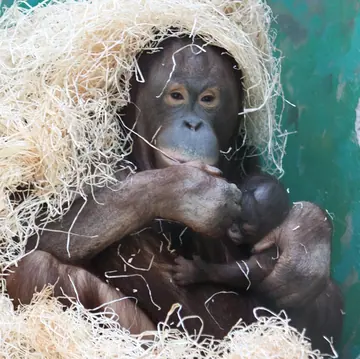
Bornean orangutan
Pongo pygmaeus
Critically Endangered
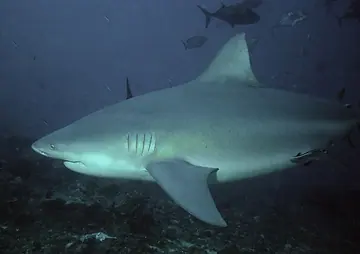
Bull shark
Carcharhinus leucas
Vulnerable
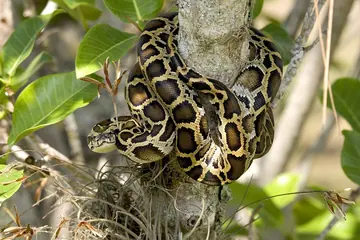
Burmese python
Python bivittatus
Vulnerable
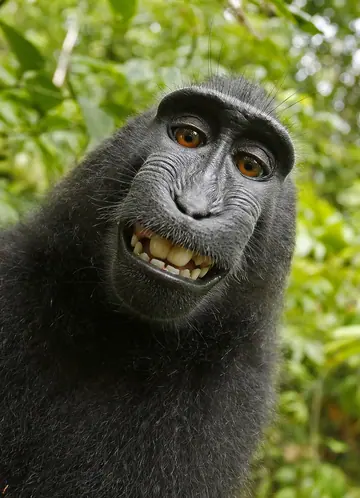
Celebes crested macaque
Macaca nigra
Critically Endangered
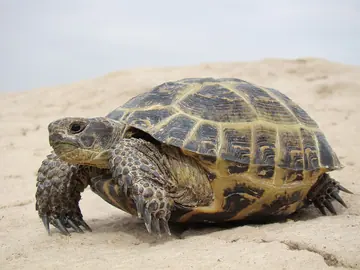
Central Asian tortoise
Testudo horsfieldii
Vulnerable
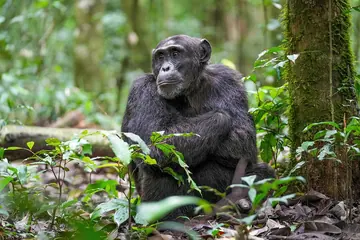
Chimpanzee
Pan troglodytes
Endangered

Chinese alligator
Alligator sinensis
Critically Endangered
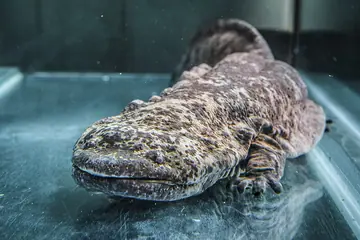
Chinese giant salamander
Andrias davidianus
Critically Endangered
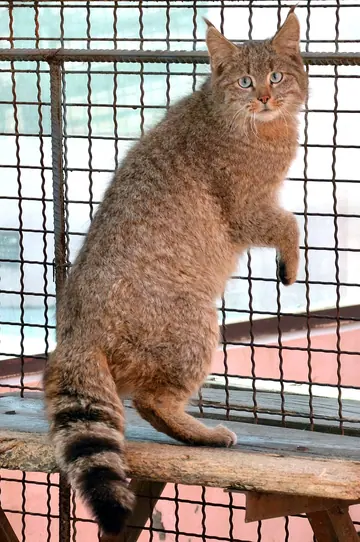
Chinese mountain cat
Felis bieti
Vulnerable
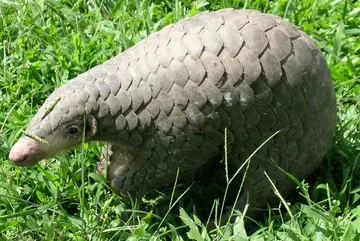
Chinese pangolin
Manis pentadactyla
Critically Endangered
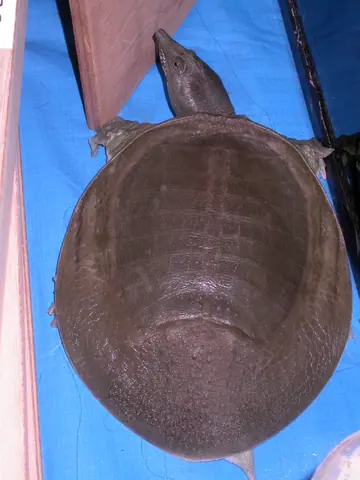
Chinese softshell turtle
Pelodiscus sinensis
Vulnerable
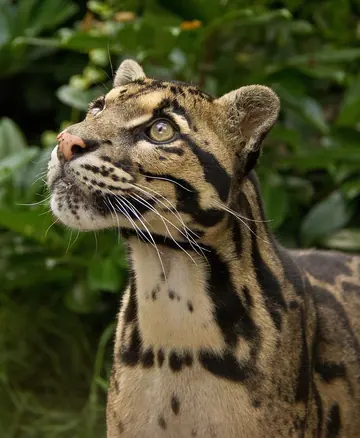
Clouded leopard
Neofelis nebulosa
Vulnerable

Coconut crab
Birgus latro
Vulnerable
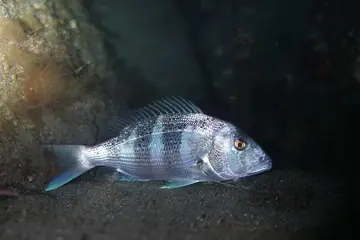
Common dentex
Dentex dentex
Vulnerable
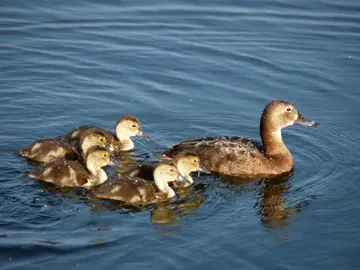
Common pochard
Aythya ferina
Vulnerable
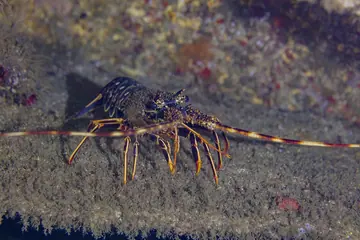
Common Spiny Lobster
Palinurus elephas
Vulnerable
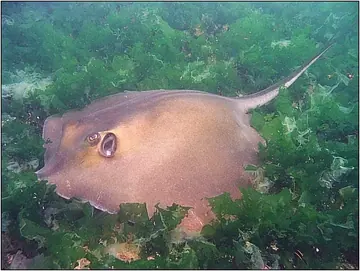
Common stingray
Dasyatis pastinaca
Vulnerable
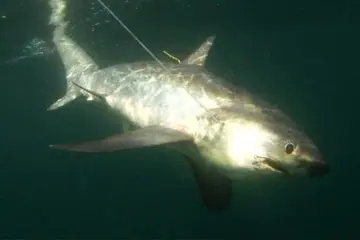
Common thresher
Alopias vulpinus
Vulnerable
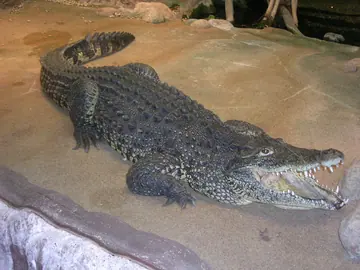
Cuban crocodile
Crocodylus rhombifer
Critically Endangered
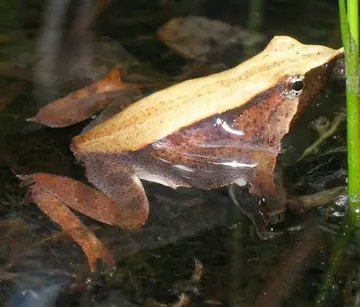
Darwin's frog
Rhinoderma darwinii
Endangered
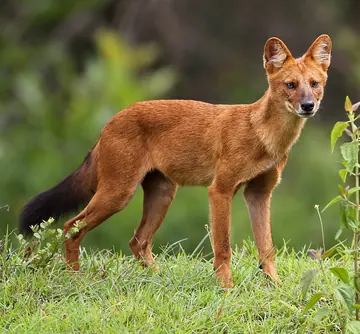
Dhole
Cuon alpinus
Endangered
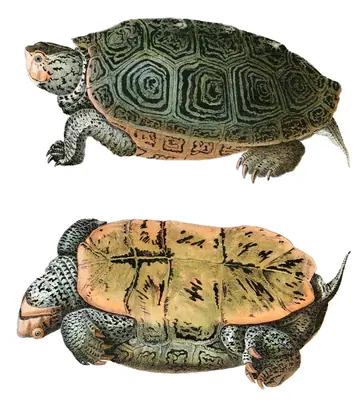
Diamondback terrapin
Malaclemys terrapin
Vulnerable
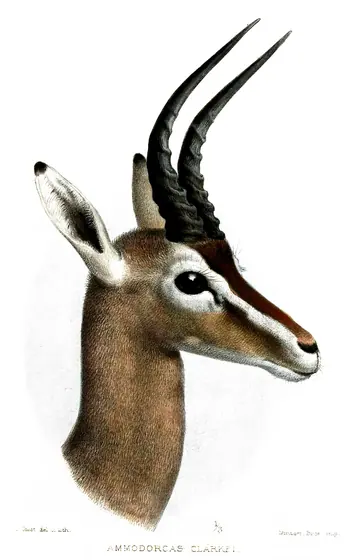
Dibatag
Ammodorcas clarkei
Vulnerable
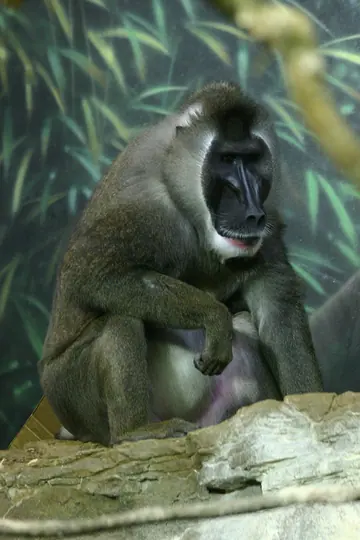
Drill
Mandrillus leucophaeus
Endangered
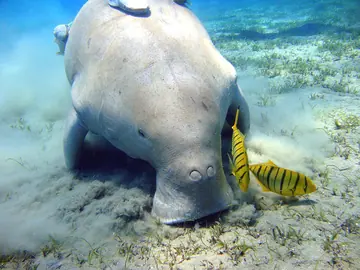
Dugong
Dugong dugon
Vulnerable
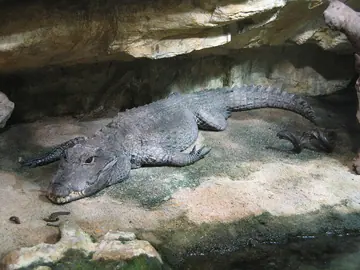
Dwarf crocodile
Osteolaemus tetraspis
Vulnerable
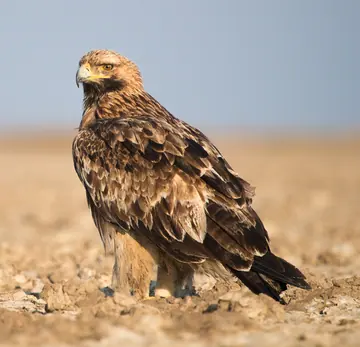
Eastern imperial eagle
Aquila heliaca
Vulnerable
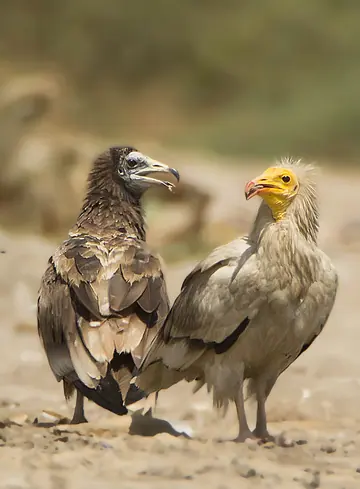
Egyptian vulture
Neophron percnopterus
Endangered
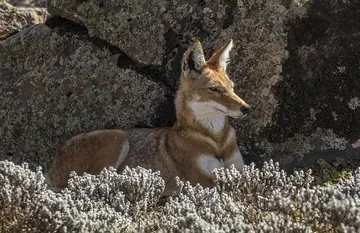
Ethiopian wolf
Canis simensis
Endangered

European eel
Anguilla anguilla
Critically Endangered
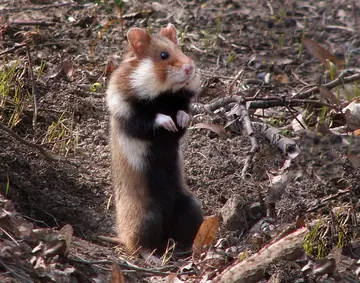
European hamster
Cricetus cricetus
Critically Endangered
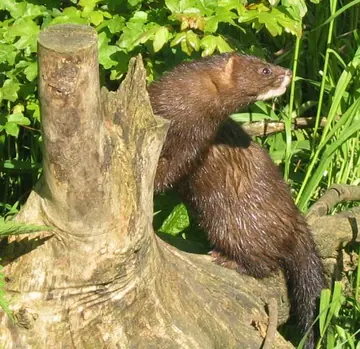
European mink
Mustela lutreola
Critically Endangered
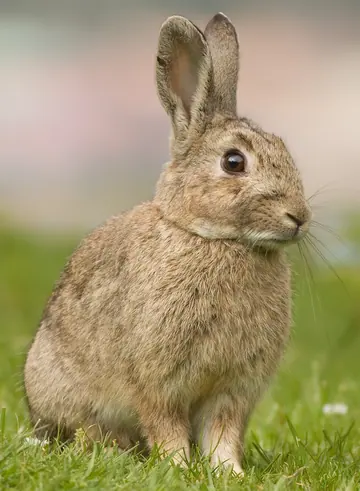
European rabbit
Oryctolagus cuniculus
Endangered
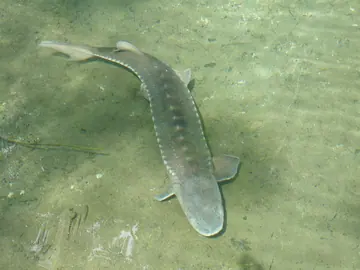
European sea sturgeon
Acipenser sturio
Critically Endangered
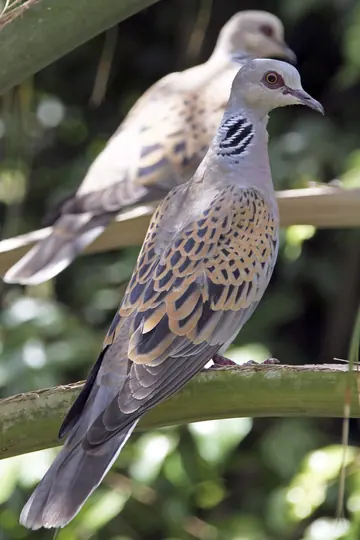
European turtle dove
Streptopelia turtur
Vulnerable
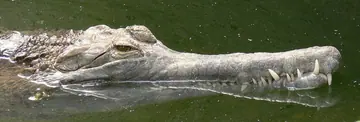
False gharial
Tomistoma schlegelii
Endangered
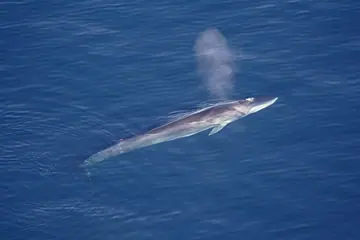
Fin whale
Balaenoptera physalus
Vulnerable
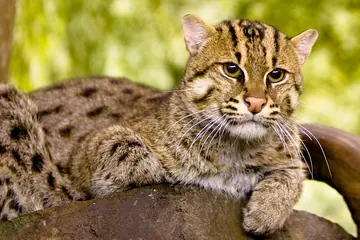
Fishing cat
Prionailurus viverrinus
Vulnerable
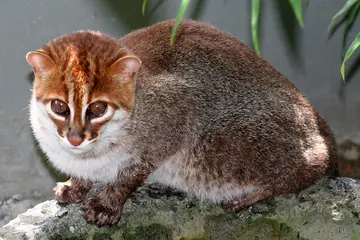
Flat-headed cat
Prionailurus planiceps
Endangered
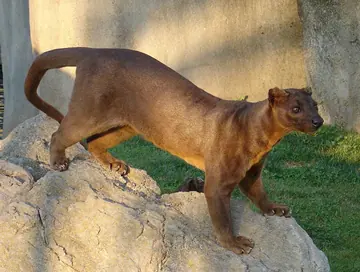
Fosssoxa
Cryptoprocta ferox
Vulnerable
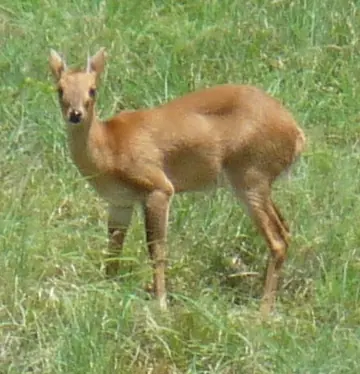
Four-horned antelope
Tetracerus quadricornis
Vulnerable
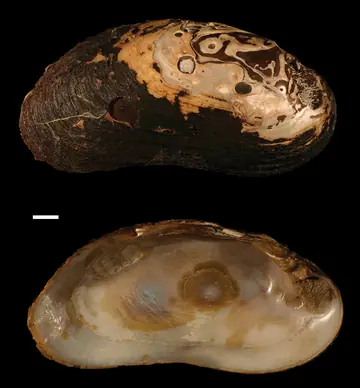
Freshwater pearl mussel
Margaritifera margaritifera
Endangered
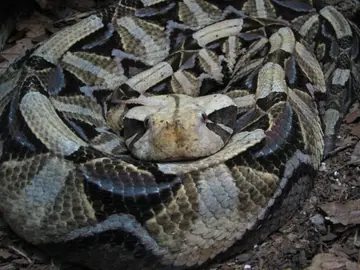
Gaboon viper
Bitis gabonica
Vulnerable
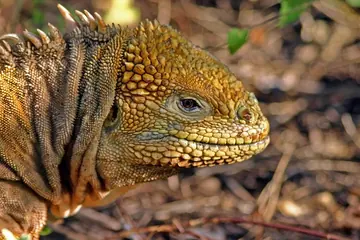
Galápagos land iguana
Conolophus subcristatus
Vulnerable
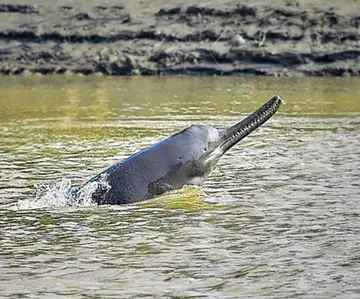
Ganges river dolphin
Platanista gangetica
Endangered
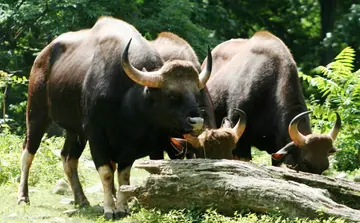
Gaur
Bos gaurus
Vulnerable

Gharial
Gavialis gangeticus
Critically Endangered
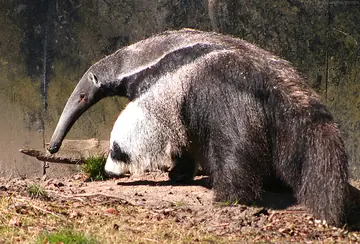
Giant anteater
Myrmecophaga tridactyla
Vulnerable
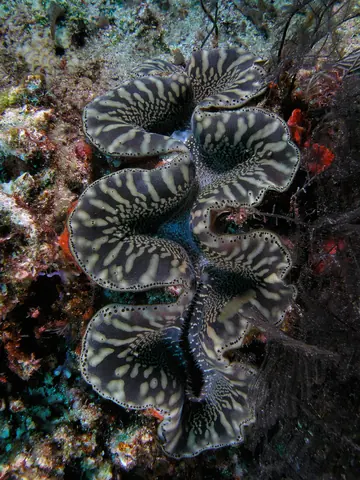
Giant clam
Tridacna gigas
Critically Endangered
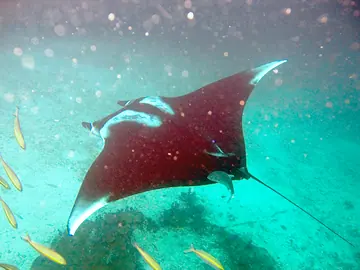
Giant oceanic manta ray
Mobula birostris
Endangered
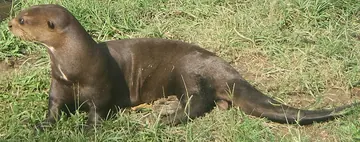
Giant otter
Pteronura brasiliensis
Endangered
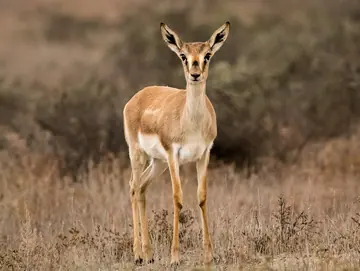
Goitered gazelle
Gazella subgutturosa
Vulnerable
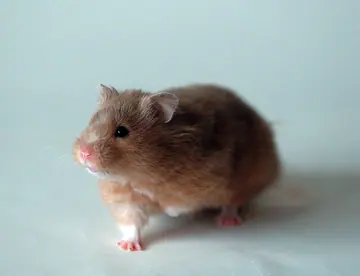
Golden hamster
Mesocricetus auratus
Endangered
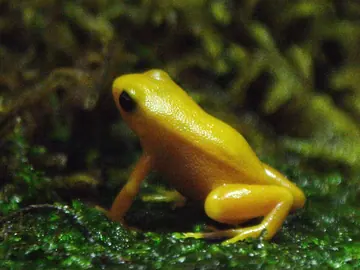
Golden mantella
Mantella aurantiaca
Endangered
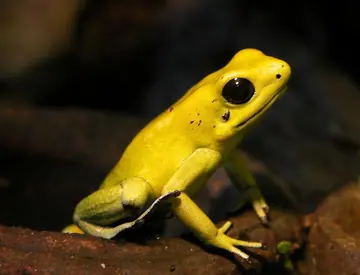
Golden poison frog
Phyllobates terribilis
Endangered
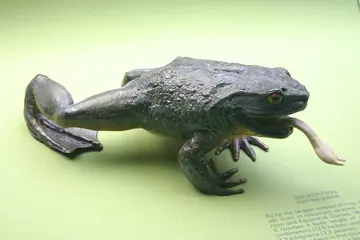
Goliath frog
Conraua goliath
Endangered
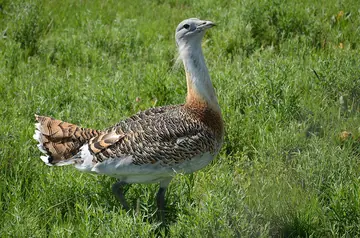
Great bustard
Otis tarda
Endangered
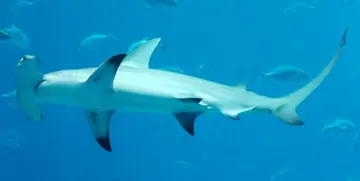
Great hammerhead
Sphyrna mokarran
Critically Endangered

Great white shark
Carcharodon carcharias
Vulnerable
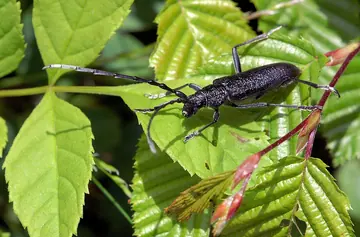
Greater Capricorn Beetle
Cerambyx cerdo
Vulnerable
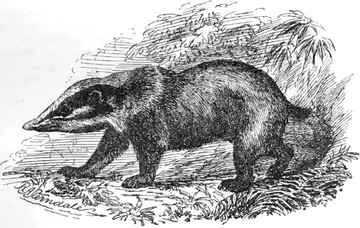
Greater hog badger
Arctonyx collaris
Vulnerable
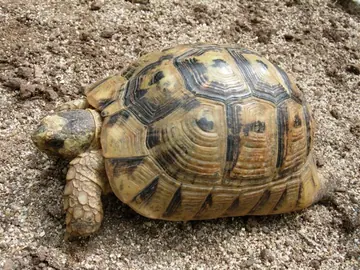
Greek tortoise
Testudo graeca
Vulnerable
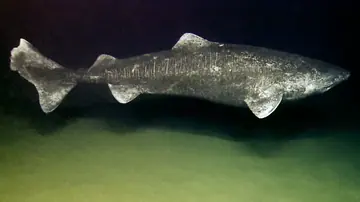
Greenland shark
Somniosus microcephalus
Vulnerable
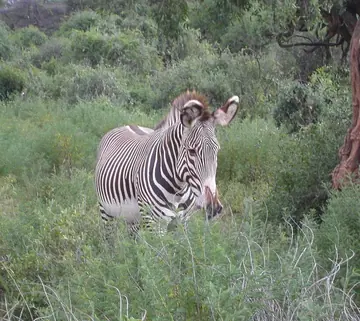
Grévy's zebra
Equus grevyi
Endangered
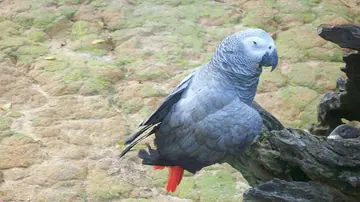
Grey parrot
Psittacus erithacus
Endangered
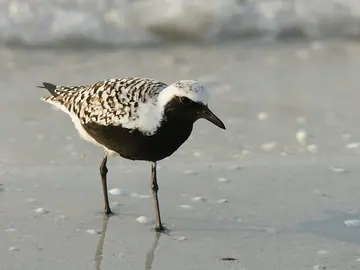
Grey plover
Pluvialis squatarola
Vulnerable
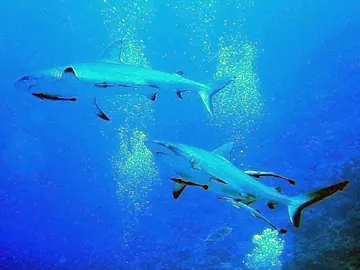
Grey reef shark
Carcharhinus amblyrhynchos
Endangered
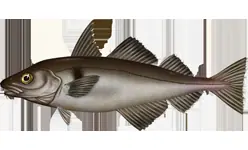
Haddock
Melanogrammus aeglefinus
Vulnerable
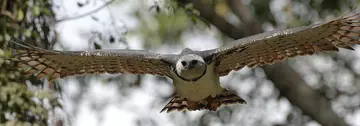
Harpy eagle
Harpia harpyja
Vulnerable

Hawksbill sea turtle
Eretmochelys imbricata
Critically Endangered
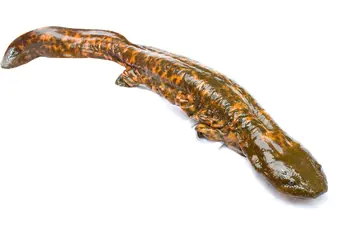
Hellbender
Cryptobranchus alleganiensis
Vulnerable
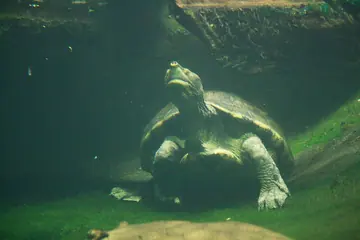
Hickatee
Dermatemys mawii
Critically Endangered

Hippo
Hippopotamus amphibius
Vulnerable
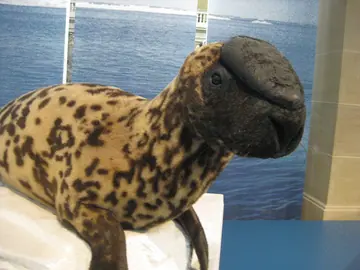
Hooded seal
Cystophora cristata
Endangered
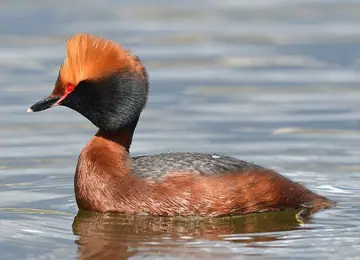
Horned grebe
Podiceps auritus
Vulnerable
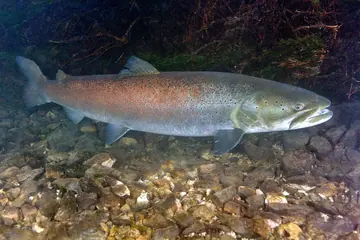
Huchen
Hucho hucho
Vulnerable
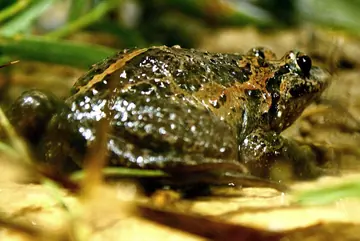
Hula painted frog
Latonia nigriventer
Critically Endangered
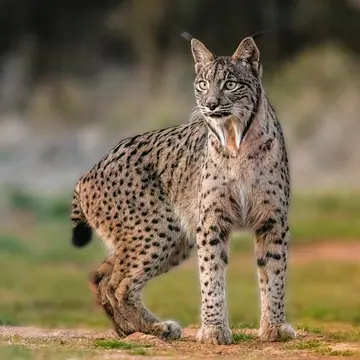
Iberian lynx
Lynx pardinus
Vulnerable
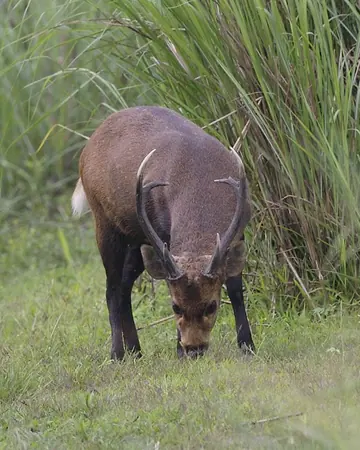
Indian hog deer
Axis porcinus
Endangered
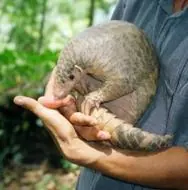
Indian pangolin
Manis crassicaudata
Endangered
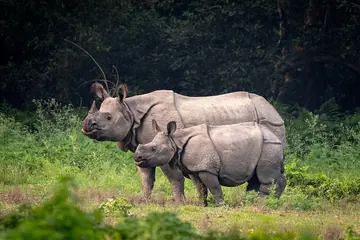
Indian rhinoceros
Rhinoceros unicornis
Vulnerable
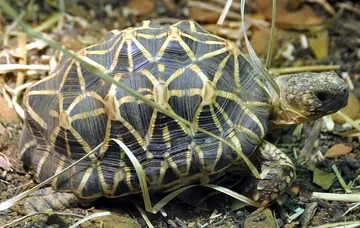
Indian star tortoise
Geochelone elegans
Vulnerable
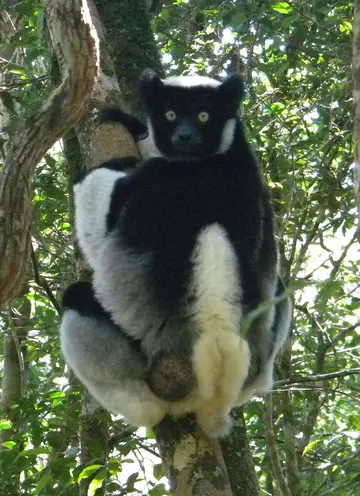
Indri
Indri indri
Critically Endangered
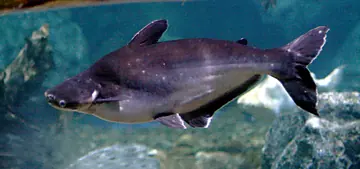
Iridescent shark
Pangasianodon hypophthalmus
Endangered
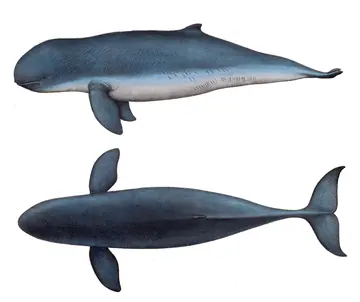
Irrawaddy dolphin
Orcaella brevirostris
Endangered
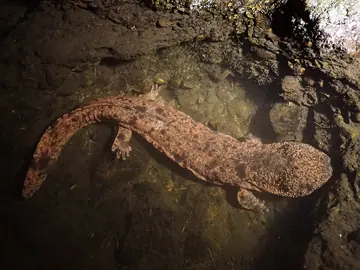
Japanese giant salamander
Andrias japonicus
Vulnerable
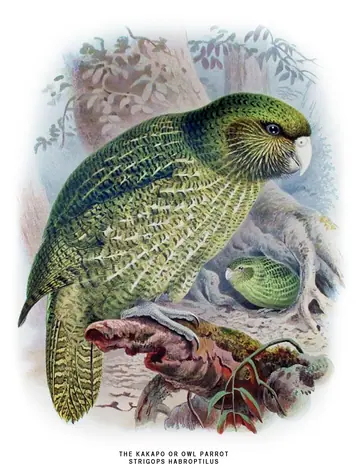
Kākāpō
Strigops habroptila
Critically Endangered
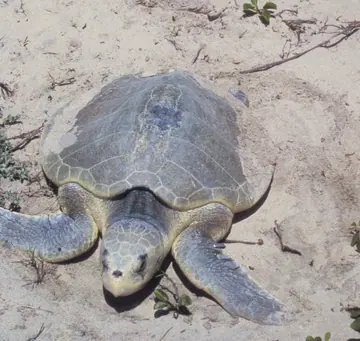
Kemp's ridley sea turtle
Lepidochelys kempii
Critically Endangered

King cobra
Ophiophagus hannah
Vulnerable

Koala
Phascolarctos cinereus
Vulnerable

Komodo dragon
Varanus komodoensis
Endangered
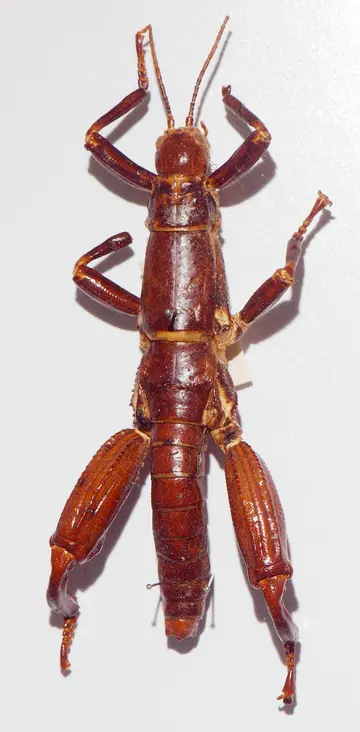
Land Lobster
Dryococelus australis
Critically Endangered
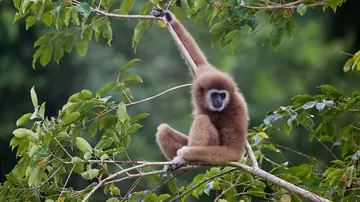
Lar gibbon
Hylobates lar
Endangered

Leatherback sea turtle
Dermochelys coriacea
Vulnerable
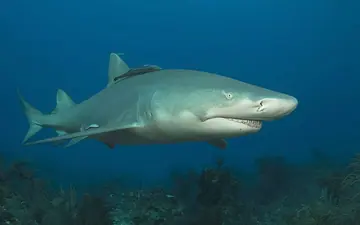
Lemon shark
Negaprion brevirostris
Vulnerable

Leopard
Panthera pardus
Vulnerable

Lion
Panthera leo
Vulnerable

Loggerhead sea turtle
Caretta caretta
Vulnerable
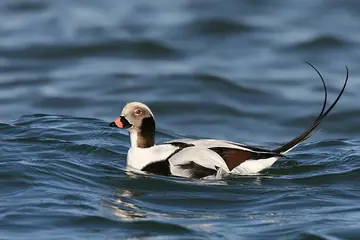
Long-tailed duck
Clangula hyemalis
Vulnerable
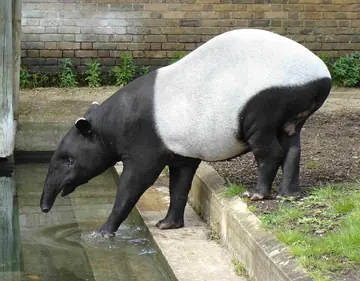
Malayan tapir
Tapirus indicus
Endangered
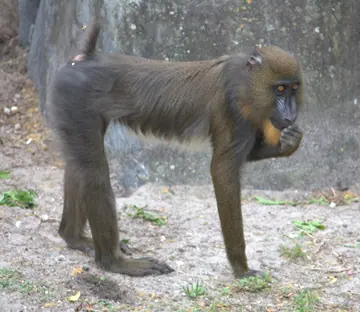
Mandrill
Mandrillus sphinx
Vulnerable
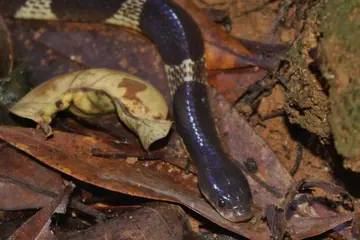
Many-banded krait
Bungarus multicinctus
Vulnerable
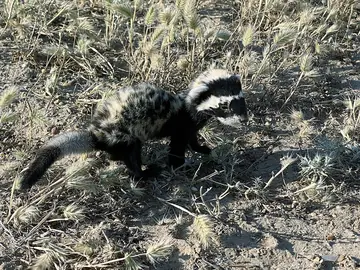
Marbled polecat
Vormela peregusna
Vulnerable
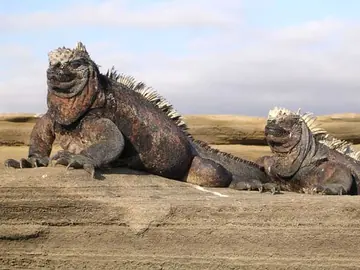
Marine iguana
Amblyrhynchus cristatus
Vulnerable
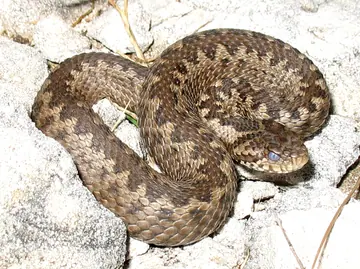
Meadow Viper
Vipera ursinii
Vulnerable
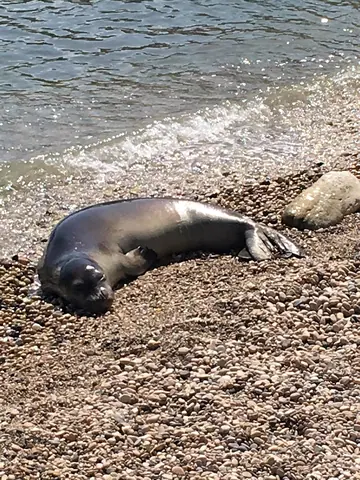
Mediterranean monk seal
Monachus monachus
Vulnerable
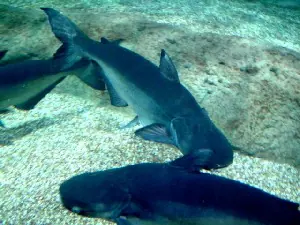
Mekong giant catfish
Pangasianodon gigas
Critically Endangered
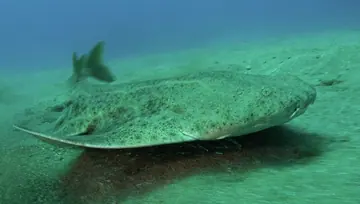
Monkfish
Squatina squatina
Critically Endangered
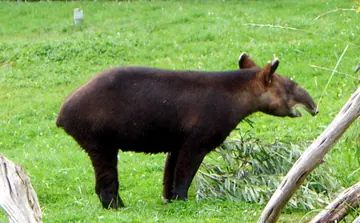
Mountain tapir
Tapirus pinchaque
Endangered
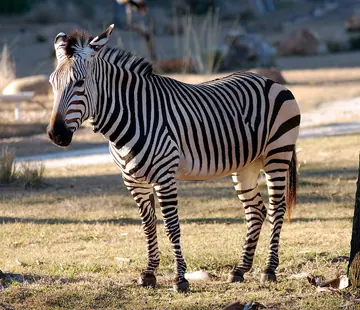
Mountain zebra
Equus zebra
Vulnerable
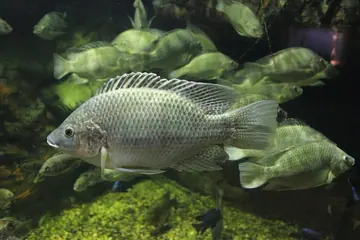
Mozambique tilapia
Oreochromis mossambicus
Vulnerable

Mugger crocodile
Crocodylus palustris
Vulnerable

Noble Crayfish
Astacus astacus
Vulnerable
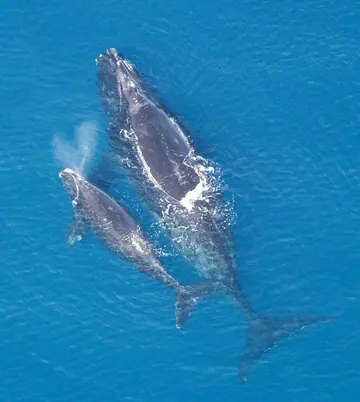
North Atlantic right whale
Eubalaena glacialis
Critically Endangered
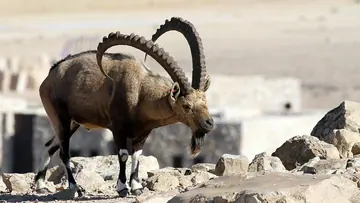
Nubian ibex
Capra nubiana
Vulnerable
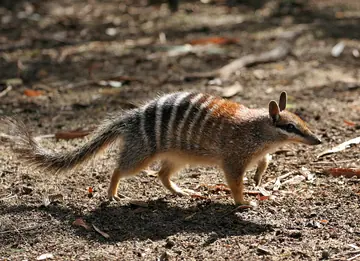
Numbat
Myrmecobius fasciatus
Endangered
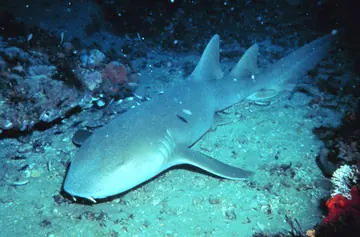
Nurse shark
Ginglymostoma cirratum
Vulnerable

Ocean sunfish
Mola mola
Vulnerable
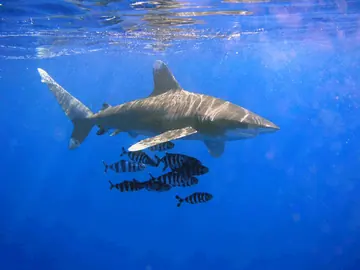
Oceanic whitetip shark
Carcharhinus longimanus
Critically Endangered
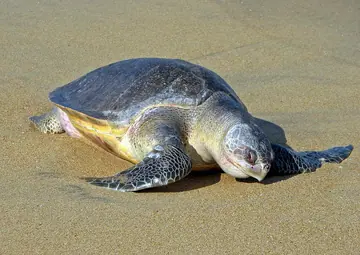
Olive ridley sea turtle
Lepidochelys olivacea
Vulnerable
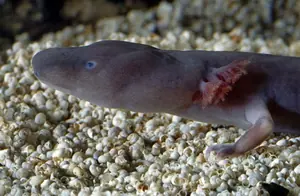
Olm
Proteus anguinus
Vulnerable
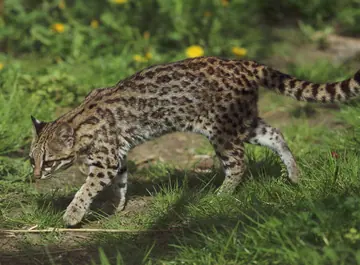
Oncilla
Leopardus tigrinus
Vulnerable
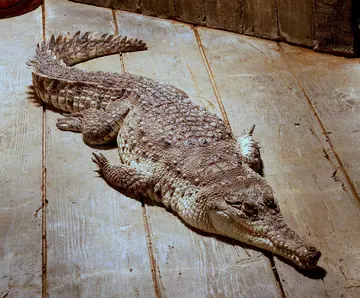
Orinoco crocodile
Crocodylus intermedius
Critically Endangered
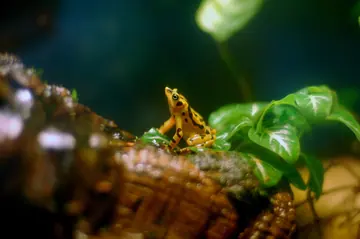
Panamanian golden frog
Atelopus zeteki
Critically Endangered
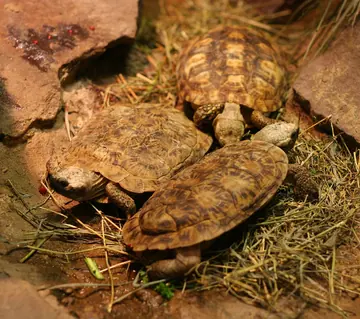
Pancake tortoise
Malacochersus tornieri
Critically Endangered
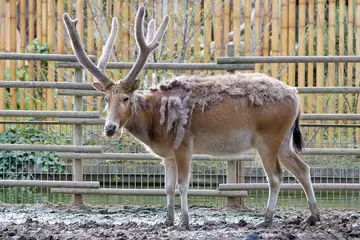
Père David's deer
Elaphurus davidianus
Extinct in the Wild
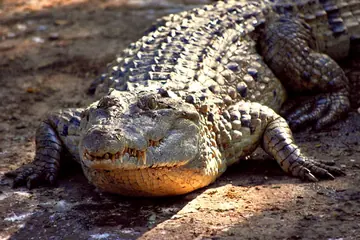
Philippine crocodile
Crocodylus mindorensis
Critically Endangered
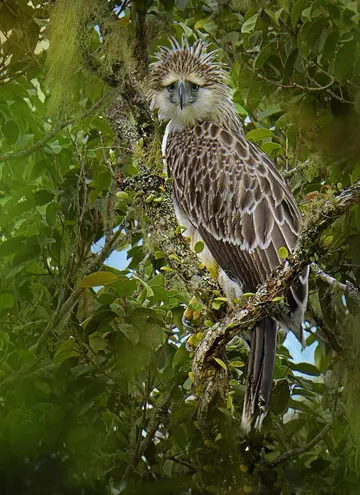
Philippine eagle
Pithecophaga jefferyi
Critically Endangered
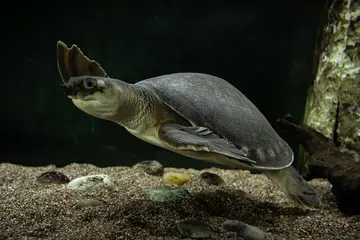
Pig-nosed turtle
Carettochelys insculpta
Endangered

Polar bear
Ursus maritimus
Vulnerable
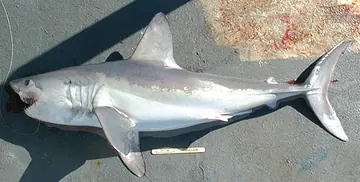
Porbeagle
Lamna nasus
Vulnerable
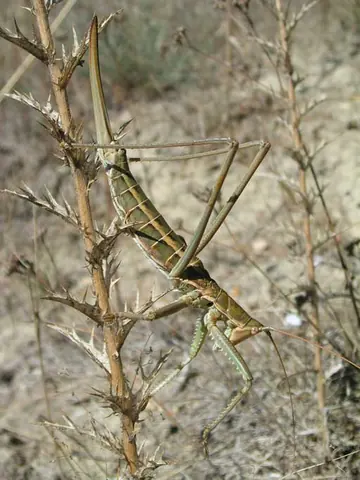
Predatory Bush Cricket
Saga pedo
Vulnerable
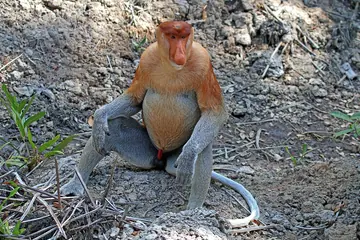
Proboscis monkey
Nasalis larvatus
Endangered
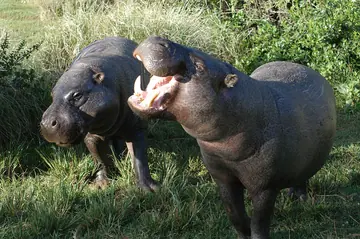
Pygmy hippopotamus
Choeropsis liberiensis
Endangered
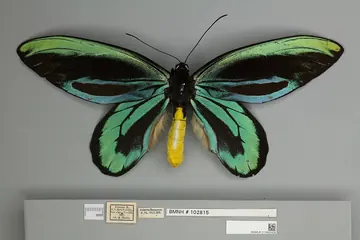
Queen Alexandra's birdwing
Ornithoptera alexandrae
Endangered
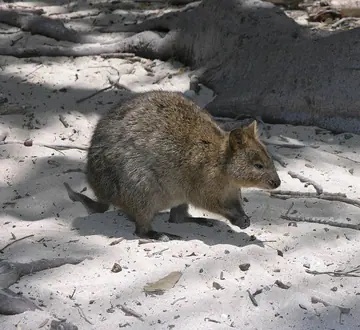
Quokka
Setonix brachyurus
Vulnerable
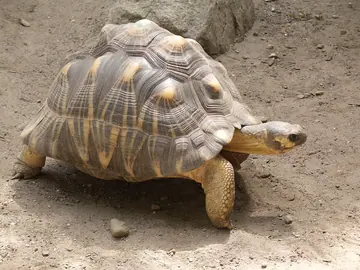
Radiated tortoise
Astrochelys radiata
Critically Endangered
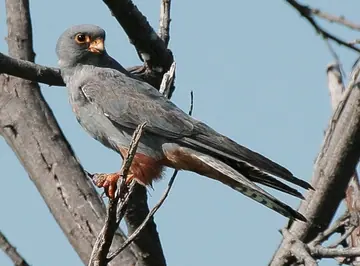
Red-footed falcon
Falco vespertinus
Vulnerable
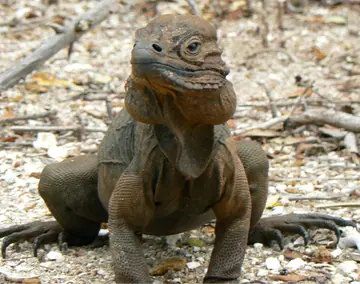
Rhinoceros iguana
Cyclura cornuta
Endangered
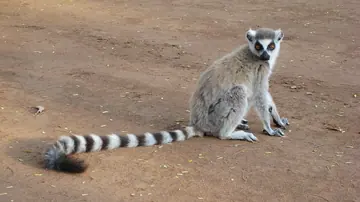
Ring-tailed lemur
Lemur catta
Endangered
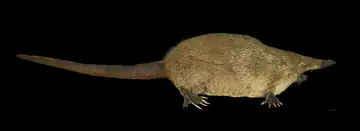
Russian desman
Desmana moschata
Critically Endangered
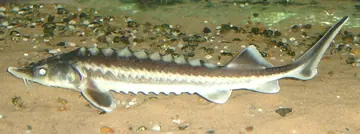
Russian sturgeon
Acipenser gueldenstaedtii
Critically Endangered
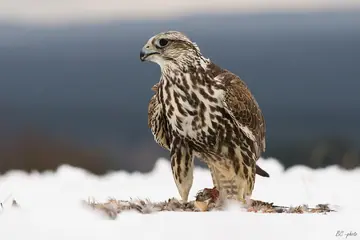
Saker falcon
Falco cherrug
Endangered
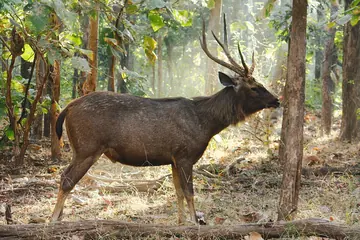
Sambar deer
Rusa unicolor
Vulnerable
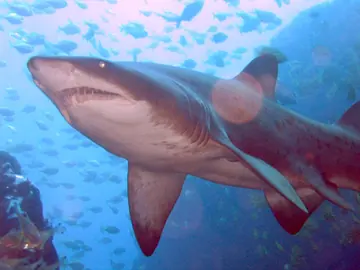
Sand tiger shark
Carcharias taurus
Critically Endangered
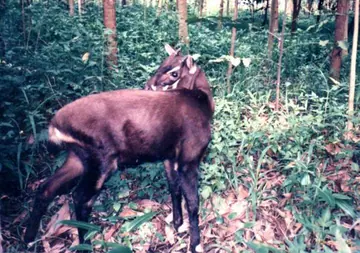
Saola
Pseudoryx nghetinhensis
Critically Endangered
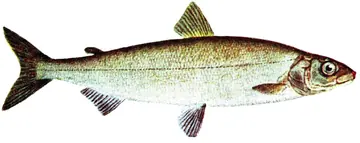
Schelly
Coregonus lavaretus
Vulnerable
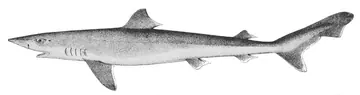
School shark
Galeorhinus galeus
Critically Endangered
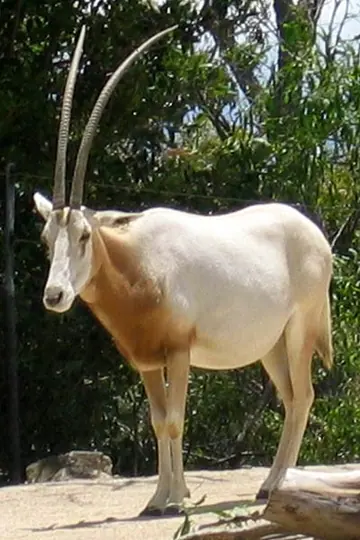
Scimitar oryx
Oryx dammah
Endangered
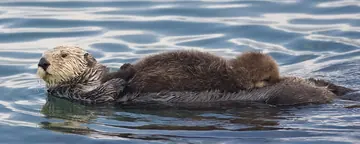
Sea otter
Enhydra lutris
Endangered
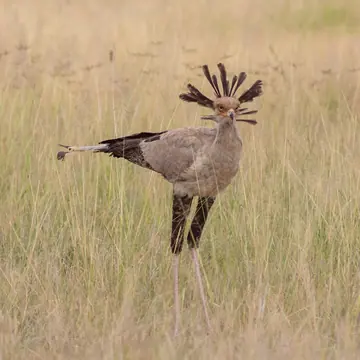
Secretarybird
Sagittarius serpentarius
Endangered
Sei whale
Balaenoptera borealis
Endangered
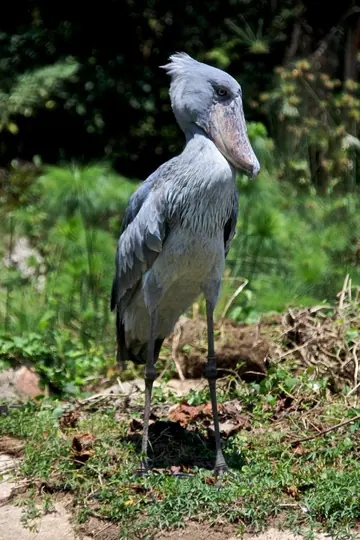
Shoebill
Balaeniceps rex
Vulnerable
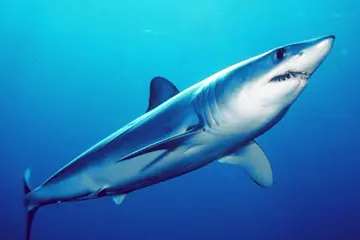
Shortfin mako shark
Isurus oxyrinchus
Endangered
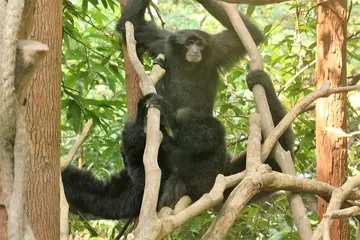
Siamang
Symphalangus syndactylus
Endangered
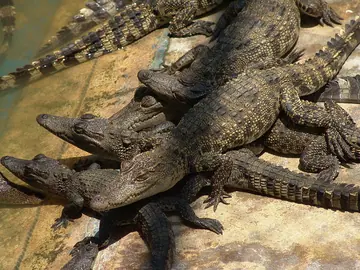
Siamese crocodile
Crocodylus siamensis
Critically Endangered
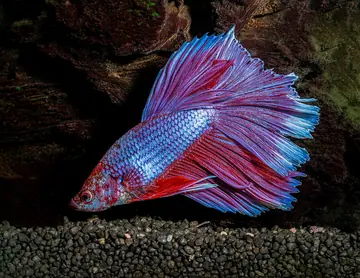
Siamese fighting fish
Betta splendens
Vulnerable
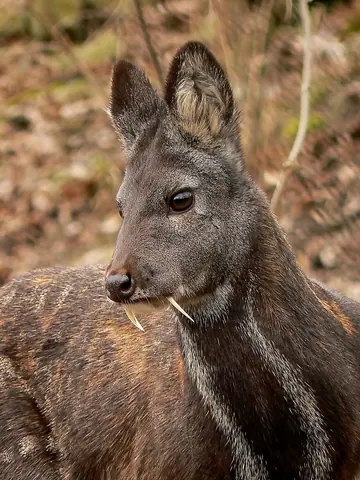
Siberian musk deer
Moschus moschiferus
Vulnerable
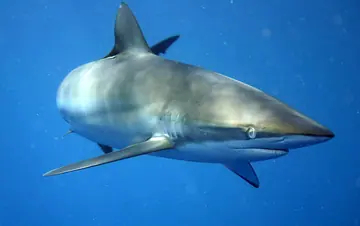
Silky shark
Carcharhinus falciformis
Vulnerable
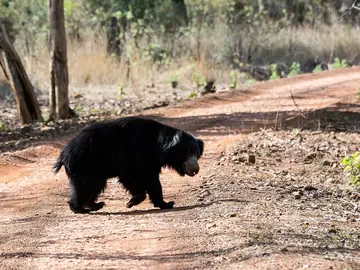
Sloth bear
Melursus ursinus
Vulnerable
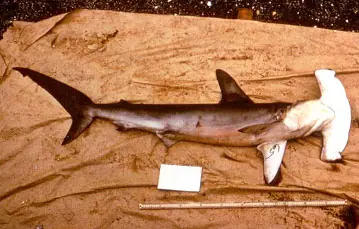
Smooth hammerhead
Sphyrna zygaena
Vulnerable
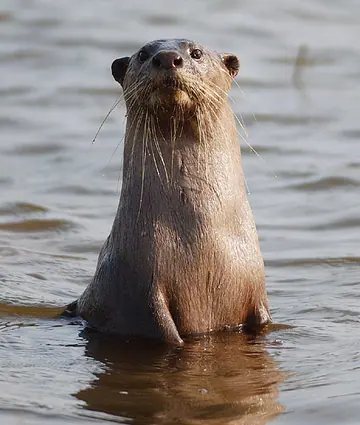
Smooth-coated otter
Lutrogale perspicillata
Vulnerable

Snow leopard
Panthera uncia
Vulnerable
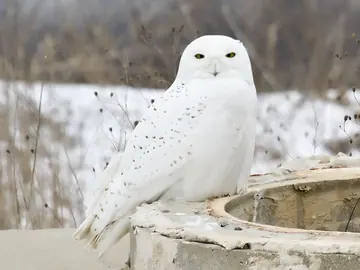
Snowy owl
Bubo scandiacus
Vulnerable
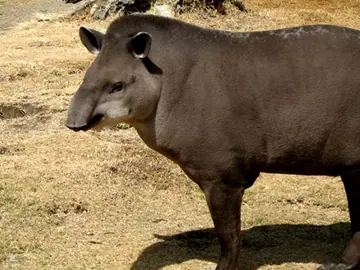
South American tapir
Tapirus terrestris
Vulnerable
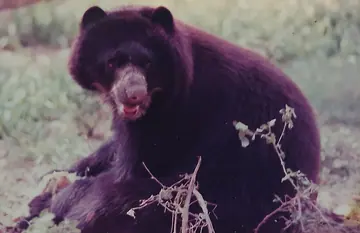
Spectacled bear
Tremarctos ornatus
Vulnerable
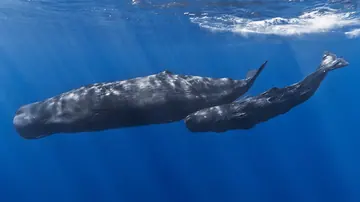
Sperm whale
Physeter macrocephalus
Vulnerable
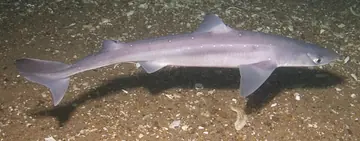
Spiny dogfish
Squalus acanthias
Vulnerable
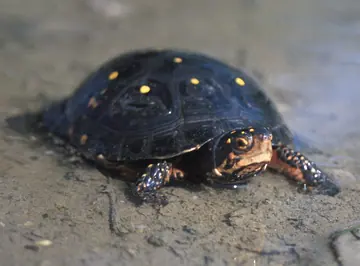
Spotted turtle
Clemmys guttata
Endangered
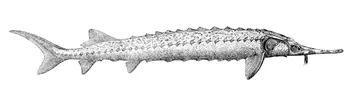
Starry sturgeon
Acipenser stellatus
Critically Endangered
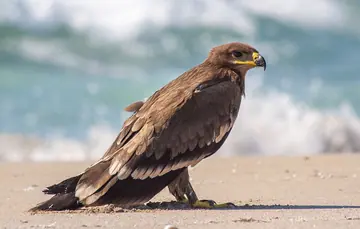
Steppe eagle
Aquila nipalensis
Endangered
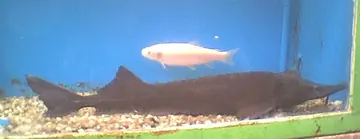
Sterlet
Acipenser ruthenus
Endangered
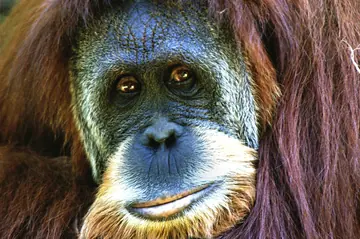
Sumatran orangutan
Pongo abelii
Critically Endangered
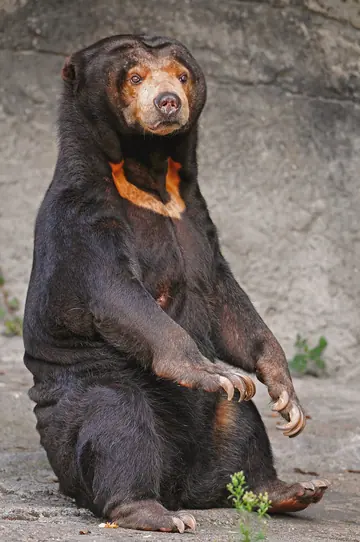
Sun bear
Helarctos malayanus
Vulnerable
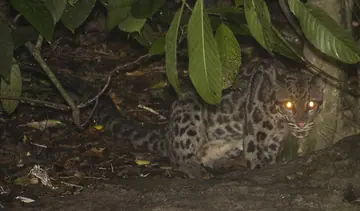
Sunda clouded leopard
Neofelis diardi
Vulnerable
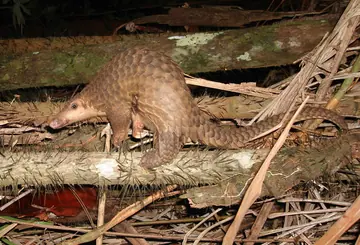
Sunda pangolin
Manis javanica
Critically Endangered
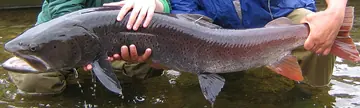
Taimen
Hucho taimen
Vulnerable
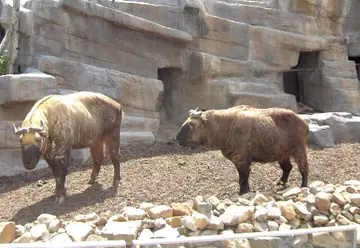
Takin
Budorcas taxicolor
Vulnerable
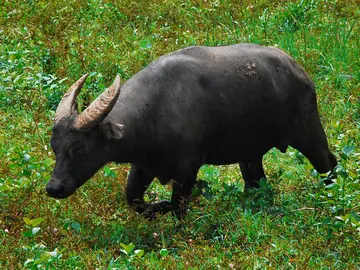
Tamaraw
Bubalus mindorensis
Critically Endangered
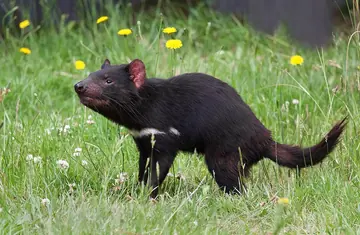
Tasmanian devil
Sarcophilus harrisii
Endangered
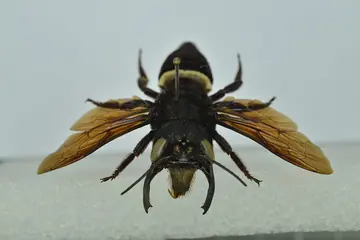
Wallace's Giant Bee
Megachile pluto
Vulnerable

Walrus
Odobenus rosmarus
Vulnerable
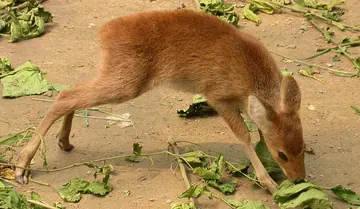
Water deer
Hydropotes inermis
Vulnerable
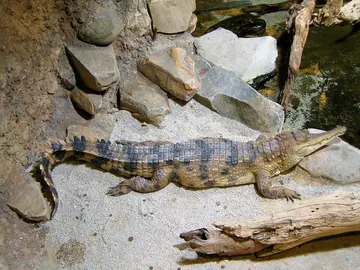
West African slender-snouted crocodile
Mecistops cataphractus
Critically Endangered
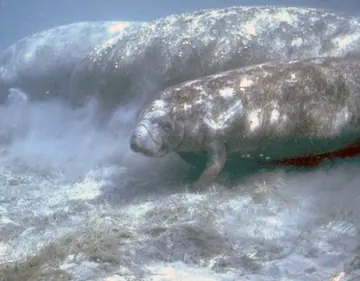
West Indian manatee
Trichechus manatus
Vulnerable
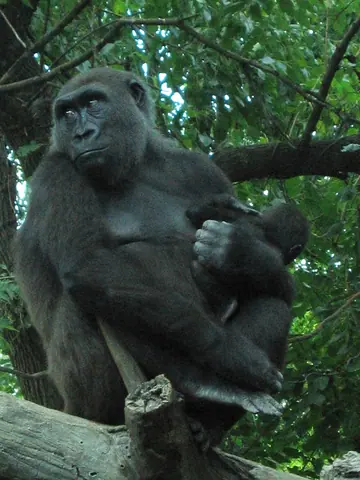
Western gorilla
Gorilla gorilla
Critically Endangered
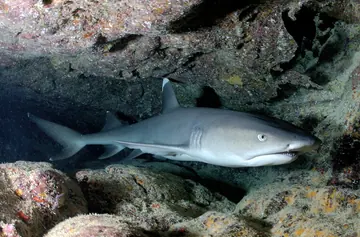
Whitetip reef shark
Triaenodon obesus
Vulnerable
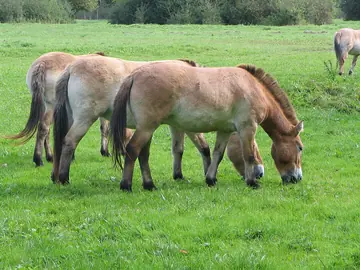
Wild horse
Equus ferus
Endangered
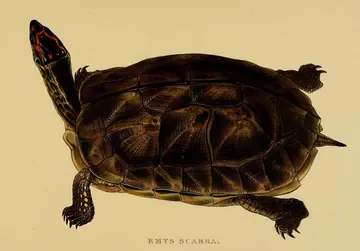
Wood turtle
Glyptemys insculpta
Endangered
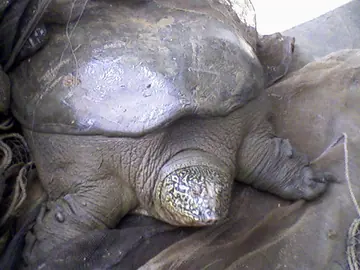
Yangtze giant softshell turtle
Rafetus swinhoei
Critically Endangered