Blue whale
Balaenoptera musculus
 Endangered
The blue whale is the biggest animal ever known to exist, a gentle giant that glides through the world's oceans. These whales have long, streamlined bodies with a blue-gray back and a slightly paler belly. They live in different parts of the ocean, with four recognized subspecies spread across the Atlantic, Pacific, Indian, and Southern Oceans.
- A fully grown blue whale can reach up to 100 feet long and weigh as much as 200 tons.
- Their skin is a mix of blue-gray on top and lighter shades underneath.
- Scientists think a group near Chile might be a fifth subspecies.
Classification and size
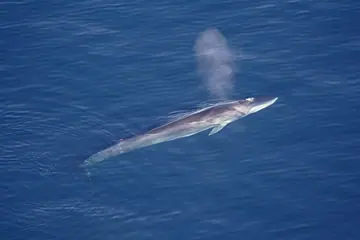
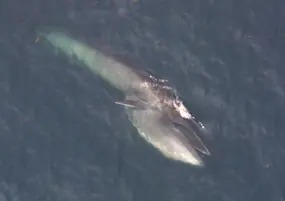
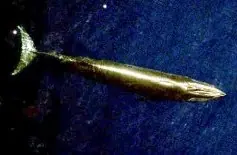
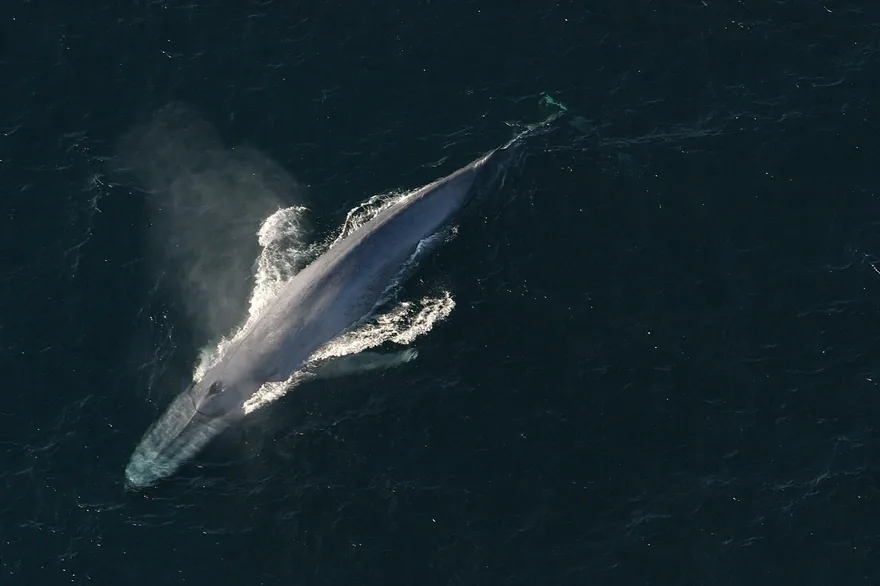
The blue whale (Balaenoptera musculus) is a baleen whale in the rorqual family, Balaenopteridae. It is the largest animal known to have lived. NOAA Fisheries reports that the largest Antarctic blue whales can reach about 110 feet, or 34 metres. Size differs among populations. A blue whale has a long, tapering body, a broad head and a small dorsal fin set far back. Seen from above, patches of pale and dark blue-grey give the skin a mottled appearance.
Habitat and distribution
Blue whales are found in oceans around the world. Where and when they feed depends on where dense patches of krill develop. Many populations move between feeding grounds at higher latitudes and areas at lower latitudes in other seasons. The pattern differs among populations, and some whales remain in the same broad region year-round. Listening for calls and tracking marked individuals help researchers follow whales through areas that are difficult to survey from a boat.
Diet and feeding
Blue whales eat mainly krill, small crustaceans that gather in swarms. When feeding, the whale lunges through a dense patch with its mouth open. Pleats beneath the throat expand to hold water and prey. As the whale closes its mouth, it pushes water out through rows of baleen, which hold back the food. This lets a very large animal gather many small animals at once. Compare the blue whale with a whale shark: the shark also filters food, using structures associated with its gills instead of baleen.
Conservation
The IUCN global assessment lists the blue whale as Endangered. Commercial whaling sharply reduced its numbers in the twentieth century. Present-day risks include vessel strikes and entanglement in fishing gear, and changes in ocean conditions can affect prey. The timing and location of whale movements matter when people plan how to reduce interactions with vessels.
Sources
At a glance
- Classification
- Mammal
- Scientific name
- Balaenoptera musculus
- Habitat
- Ocean
- Regions in this directory
- North America, South America, Asia
- Diet
- filter-feeder
- Relative size
- giant
- IUCN Red List
- Endangered (EN)