Farm Animals
Which animals live on farms?
Farm animals include domesticated animals people raise and wild animals that use barns, ponds, pasture and field edges. This collection shows examples from both groups. Water buffalo and alpacas are examples of domesticated farm animals. Barn swallows, cattle egrets and barn owls can find food or shelter around farms without being kept there. Each photo leads to a profile, so you can see which sort of connection an animal has with farms.
Browse 80 animalsAnimals people raise
Farms keep different animals depending on the climate, available land and the work people do there. Water buffalo are raised in parts of Asia for milk, meat and work, including in wet agricultural landscapes. Alpacas, domesticated in the Andes, are raised for their fibre. Compare the two photographs and think about how each animal’s build and coat suit its surroundings. A single species can have several roles, and a photo from one farm cannot tell you which role it has on another.
Wild neighbours in fields and barns
A farm can contain very different places for wildlife. A swallow may catch flying insects over a field and use a sheltered ledge for a nest. A cattle egret may follow grazing animals and pick up insects they flush from the grass. A barn owl can hunt small mammals in open ground and use a suitable building or tree cavity for shelter. Field edges, hedges and ponds add places for animals that would find little cover in the middle of a cultivated field.
Compare what each animal gets from a farm
Start with one domesticated animal and one wild visitor. Write down what each gets from the farm: food supplied by people, prey it finds for itself, a place to rest or a place to raise young. Some profiles describe wild populations of species that also have domesticated forms. The European rabbit is one example. Read the profile before using a picture as an example of a particular breed or a specific kind of livestock.
Farm Animals List

Water buffalo
Bubalus bubalis
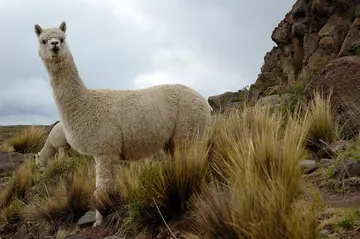
Alpaca
Vicugna pacos
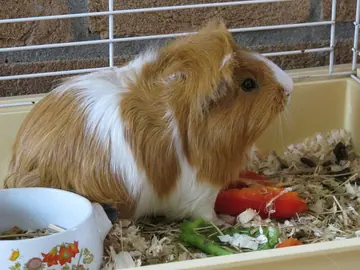
Guinea pig
Cavia porcellus
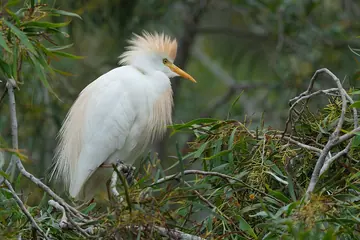
Western cattle egret
Ardea ibis

Barn swallow
Hirundo rustica

House sparrow
Passer domesticus
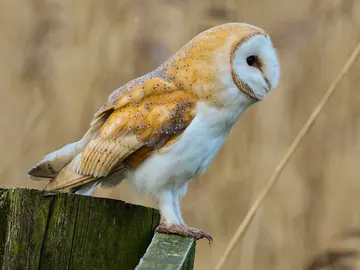
Western barn owl
Tyto alba
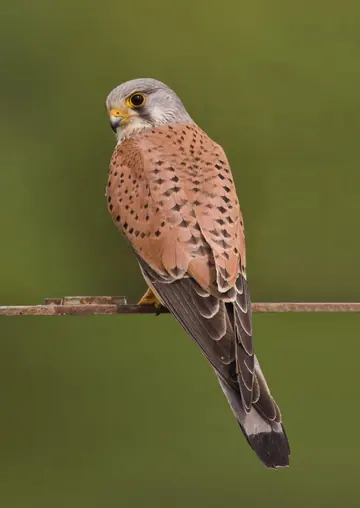
Common kestrel
Falco tinnunculus
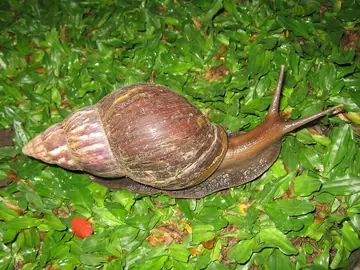
African Snail
Achatina fulica
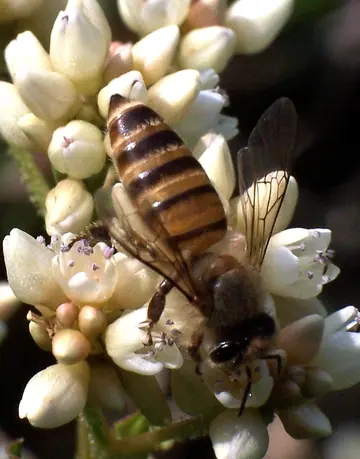
Asian Honey Bee
Apis cerana
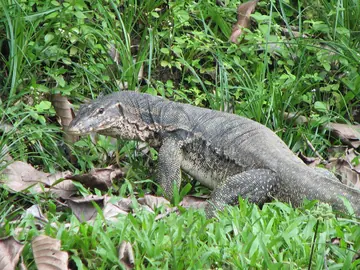
Asian water monitor
Varanus salvator
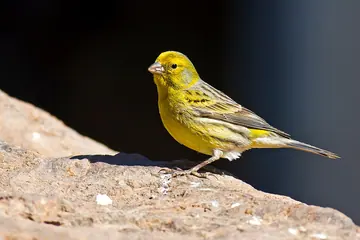
Atlantic canary
Serinus canaria
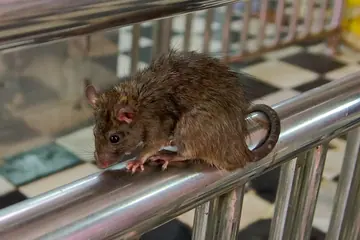
Black rat
Rattus rattus
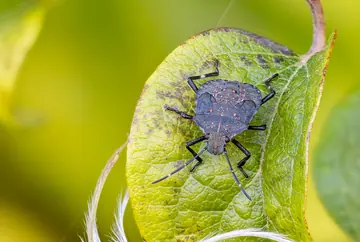
Brown marmorated stink bug
Halyomorpha halys
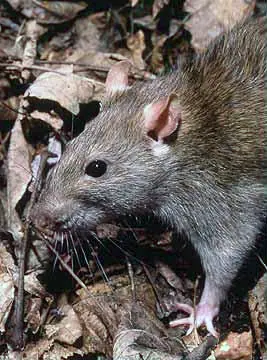
Brown rat
Rattus norvegicus
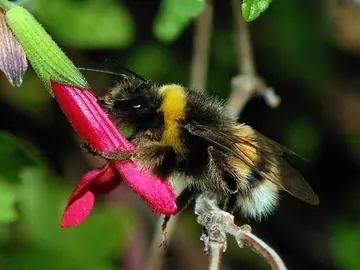
Buff-Tailed Bumblebee
Bombus terrestris
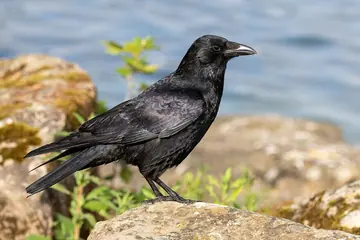
Carrion crow
Corvus corone

Cockchafer
Melolontha melolontha
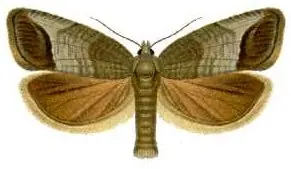
Codling moth
Cydia pomonella

Colorado potato beetle
Leptinotarsa decemlineata

Common blackbird
Turdus merula
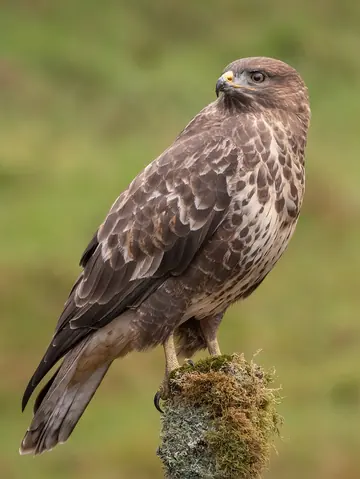
Common buzzard
Buteo buteo

Common cuckoo
Cuculus canorus
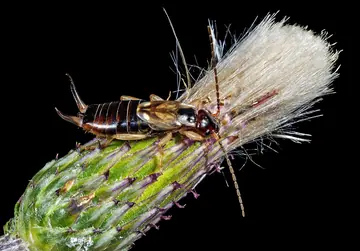
Common European Earwig
Forficula auricularia
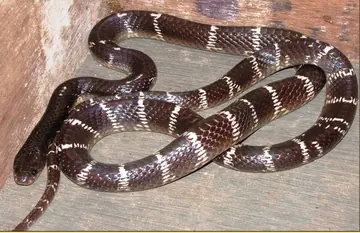
Common krait
Bungarus caeruleus
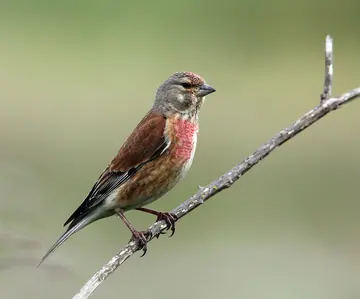
Common linnet
Linaria cannabina
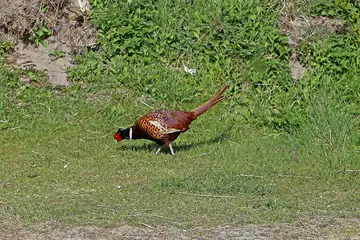
Common pheasant
Phasianus colchicus

Common quail
Coturnix coturnix

Common starling
Sturnus vulgaris
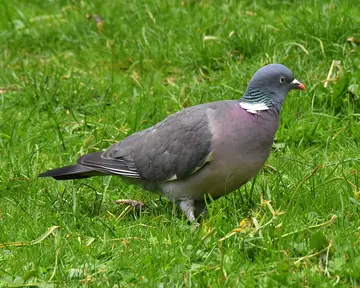
Common wood pigeon
Columba palumbus
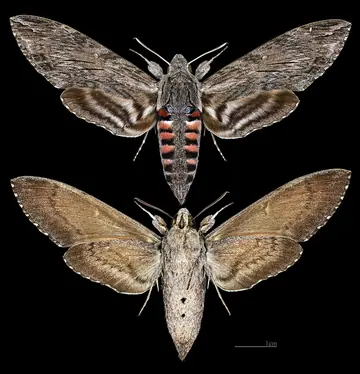
Convolvulus Hawkmoth
Agrius convolvuli
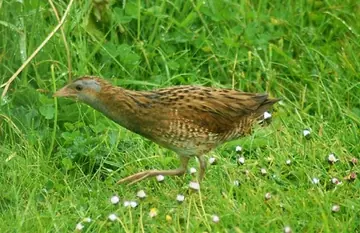
Corn crake
Crex crex
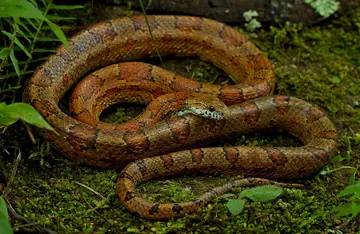
Corn snake
Pantherophis guttatus
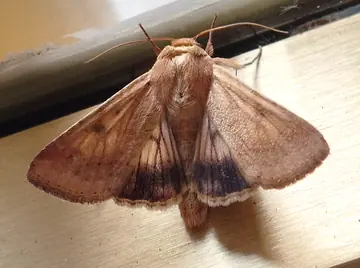
Cotton Bollworm
Helicoverpa armigera
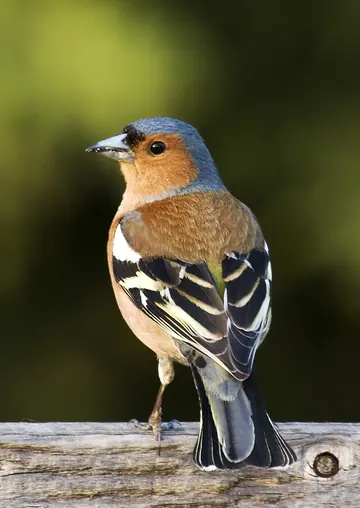
Eurasian chaffinch
Fringilla coelebs
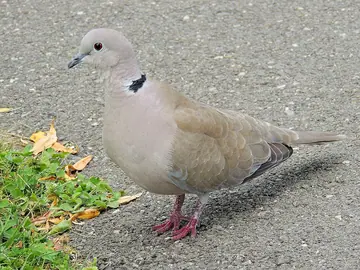
Eurasian collared dove
Streptopelia decaocto
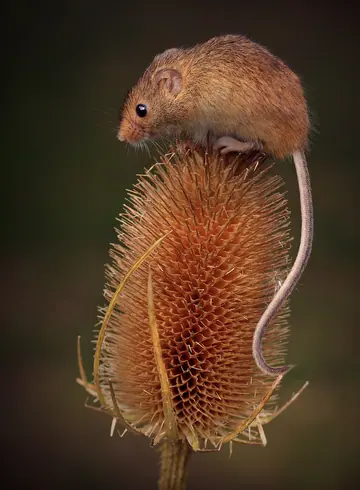
Eurasian harvest mouse
Micromys minutus
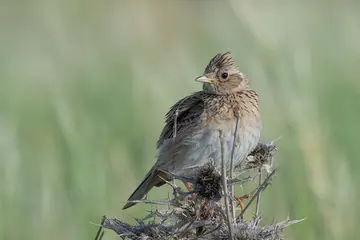
Eurasian skylark
Alauda arvensis
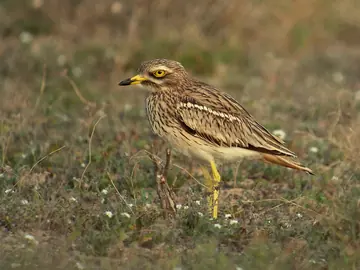
Eurasian stone-curlew
Burhinus oedicnemus
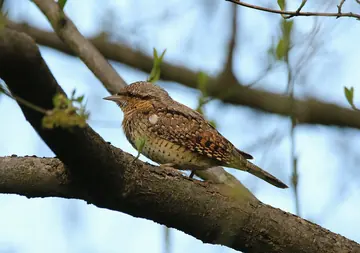
Eurasian wryneck
Jynx torquilla
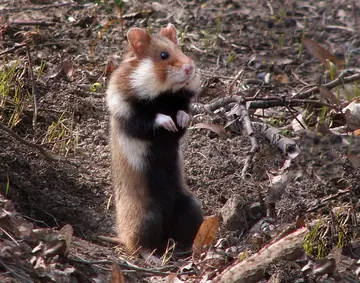
European hamster
Cricetus cricetus
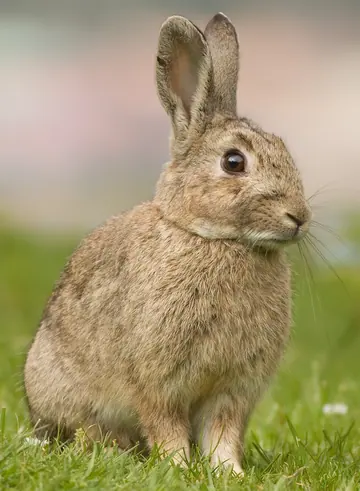
European rabbit
Oryctolagus cuniculus

European robin
Erithacus rubecula
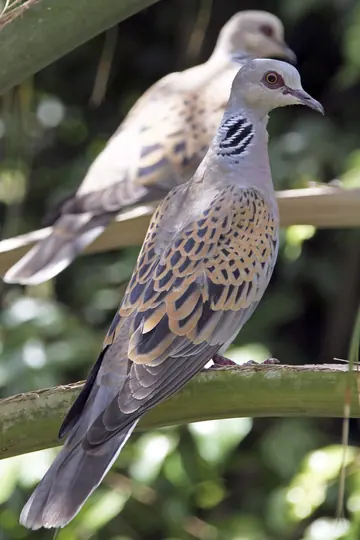
European turtle dove
Streptopelia turtur

Fruit Fly
Drosophila melanogaster
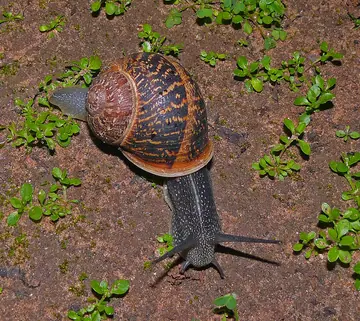
Garden Snail
Helix aspersa

Garden Spider
Araneus diadematus
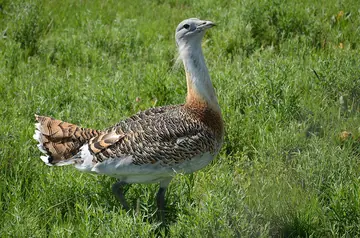
Great bustard
Otis tarda
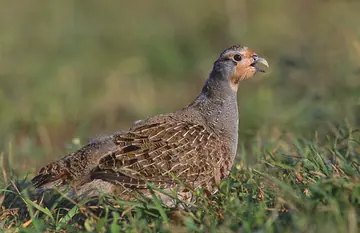
Grey partridge
Perdix perdix
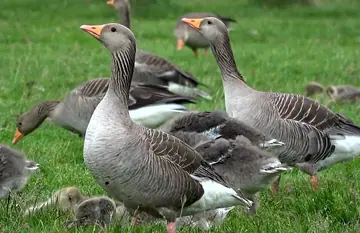
Greylag goose
Anser anser
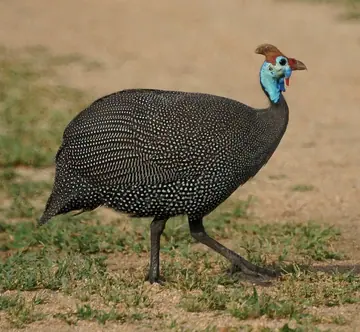
Helmeted guinea fowl
Numida meleagris
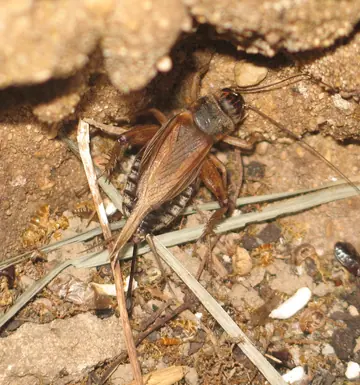
House cricket
Acheta domesticus

House mouse
Mus musculus
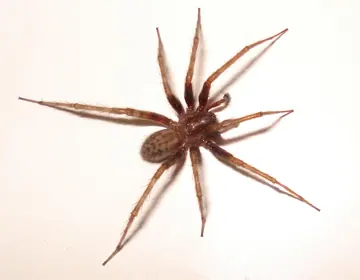
House Spider
Tegenaria domestica

Large White
Pieris brassicae

Least weasel
Mustela nivalis
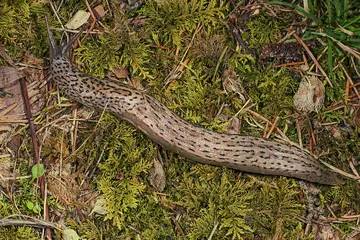
Leopard Slug
Limax maximus
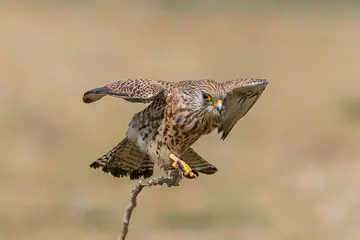
Lesser kestrel
Falco naumanni
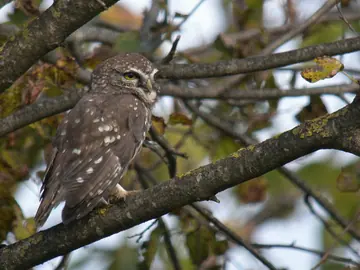
Little owl
Athene noctua
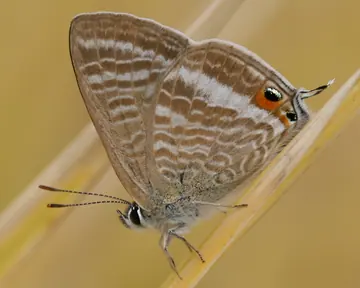
Long-Tailed Blue
Lampides boeticus
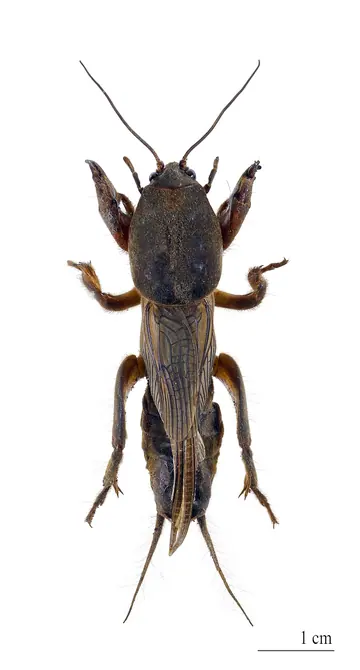
Mole-Cricket
Gryllotalpa gryllotalpa
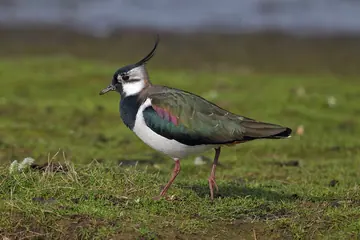
Northern lapwing
Vanellus vanellus

Painted Lady
Vanessa cardui
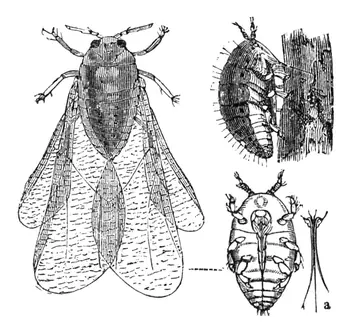
Phylloxera
Daktulosphaira vitifoliae
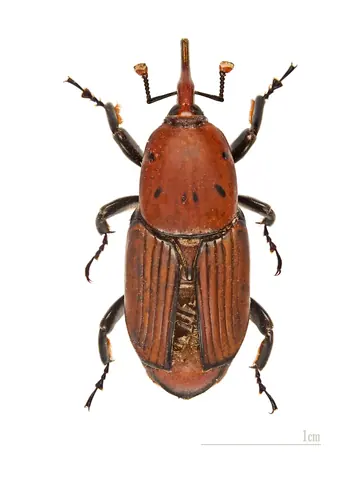
Red Palm Weevil
Rhynchophorus ferrugineus
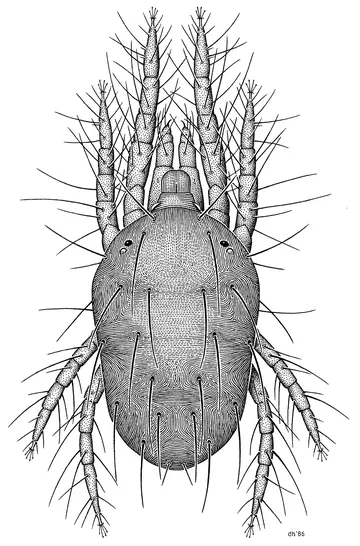
Red Spider Mite
Tetranychus urticae
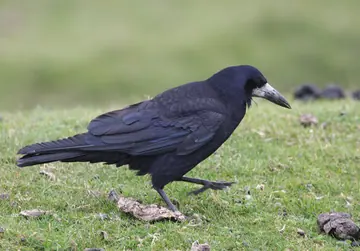
Rook
Corvus frugilegus
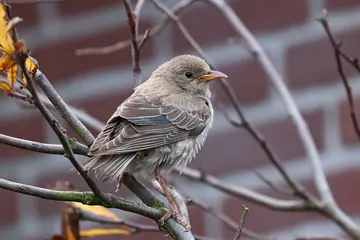
Rosy starling
Pastor roseus

Scarce swallowtail
Iphiclides podalirius

Seven-Spot Ladybird
Coccinella septempunctata

Silkworm
Bombyx mori
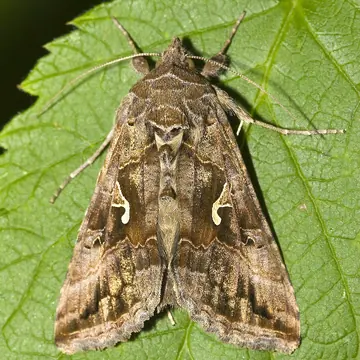
Silver Y
Autographa gamma
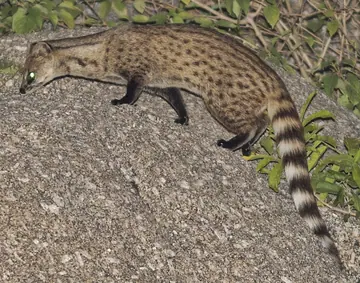
Small Indian civet
Viverricula indica

Small tortoiseshell
Aglais urticae

Small White
Pieris rapae
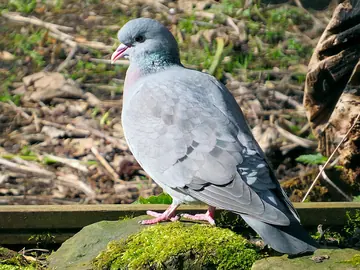
Stock dove
Columba oenas

Western jackdaw
Coloeus monedula
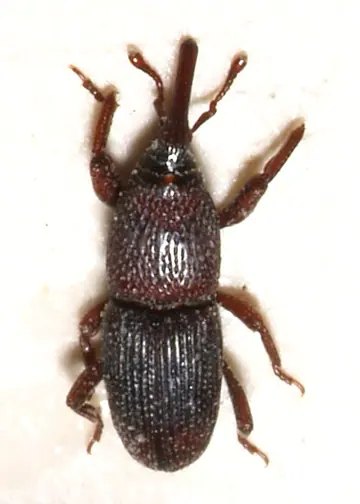
Wheat weevil
Sitophilus granarius

White stork
Ciconia ciconia
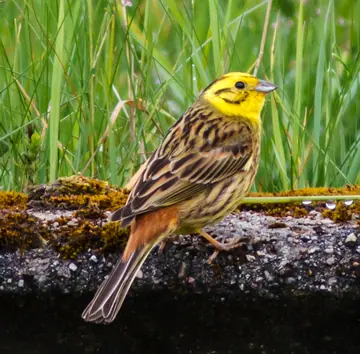
Yellowhammer
Emberiza citrinella